These are sold as newborn carriers and five of the eight will not take a newborn on day one. Their stated minimum is 8 pounds. Average birth weight is around seven and a half, which means a great many babies arrive below the floor of a product bought specifically for them. Two wraps here start at 7. Three publish no weight range at all.

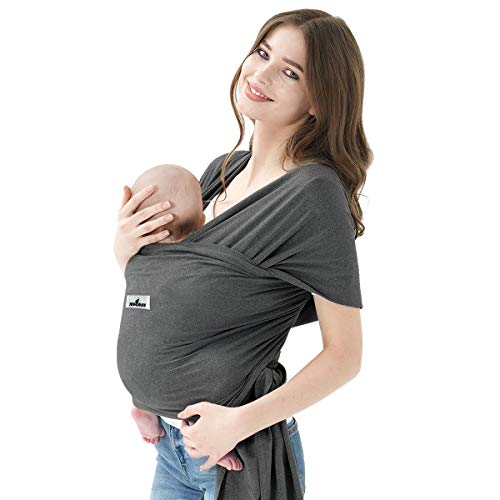
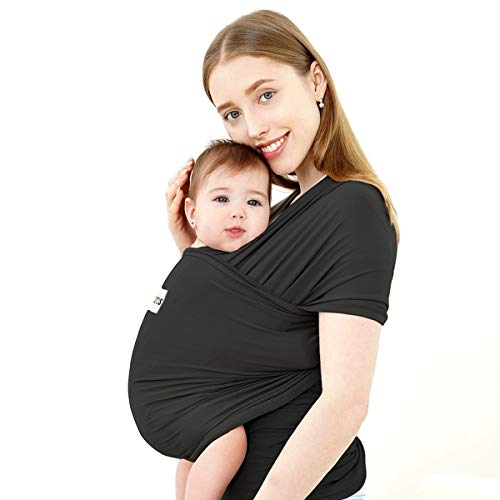


At a glance
| Product | Weight range, and who certified it | Price tier | Link |
|---|---|---|---|
| MISSWISDOM | 7 to 35 lbs. Says hip-healthy without naming who says so | Budget | |
| Jeroray | 8 to 35 lbs. No certification, no fabric named | Budget | |
| Acrabros | 8 to 35 lbs. Nearly the same listing, two dollars more | Budget | |
| KeaBabies (Black) | Names the institute. Publishes no weight range | Mid-range | |
| KeaBabies (Stone Gray) | The same wrap again, same price, same bullets | Mid-range | |
| Momcozy | 8 to 35 lbs, 95% polyester, and no certification | Mid-range | |
| Boba | 7 to 35 lbs, the institute named, and the TICKS checklist | Premium | |
How to choose
The number that matters is the small one
Everybody quotes 35 pounds at the top, and you will not reach it for two years. The figure that decides whether you can use this next week is the bottom of the range, and it splits this page cleanly: two wraps start at 7 pounds and three start at 8. Since average birth weight is about seven and a half, an 8 pound floor means roughly half of newborns do not qualify on the day they come home, from a product with the word newborn in the title. Three more wraps here give no range at all and offer newborn to toddler instead, which is not a specification.
Certified by whom
Hip position is the reason babywearing has standards at all, and there is a real institute that certifies carriers as hip-healthy. Two wraps here name it in full. One says it has certified the hip-healthy and does not say who did the certifying, which is a claim rather than a certificate. One asserts the developmental benefit outright with no certification behind it. And two never mention hips at all. Look for the name of the body. A certification without a certifier is an adjective.
One wrap names the safety checklist
There is a five-point checklist that babywearing guidance is built around, covering how tight the wrap is, keeping the baby in view and close enough to kiss, keeping the chin off the chest, and supporting the back. It is the standard everyone in babywearing uses and it is the thing that actually keeps a newborn’s airway open in a stretchy wrap. Exactly one product on this page names it. That is a company telling you the rules it designed against rather than asking you to trust an adjective.
Cotton and polyester are not the same wrap
Two listings name their fabric and they are opposites: 95% cotton with 5% spandex, and 95% polyester with 5% spandex. Identical stretch content, completely different material against a baby held to your chest for hours. Cotton breathes and polyester does not, which you notice in August. Everyone else offers proprietary fabric, high-quality fabric, or ultra-soft and breathable, which are three ways of not answering.
A stretchy wrap’s failure mode is sag
This is the real part of the category and one brand says it out loud. A stretch wrap works because it gives, and the same give means a baby’s weight slowly works it looser through the day until the baby is riding lower than where you tied them. That is the checklist point about close enough to kiss, and it is why one listing sells a sag-resistant blend that holds its shape wash after wash, explicitly against cheaper wraps that stretch out and lose support. Another describes the same virtue from the other side, saying no constant readjustment is needed once it is on. The rest do not raise it.
One wrap is four things
The most versatile listing here points out that the same length of stretchy fabric works as a pregnancy support band, a postpartum wrap and a nursing cover as well as a carrier, and refers you to a tutorial for each. That is true, and it is a genuine argument for a self-tie wrap over a buckled carrier: it is a rectangle, so it does whatever you can tie it into. Nothing else on this page mentions a second use.
Two of these are one listing
Two wraps here, two dollars apart, share their structure bullet for bullet: same 8 to 35 pounds, same parents of all sizes, same baby shower and registry bullet, same versatile-and-travel-friendly bullet, same ergonomic paragraph. Neither names a fabric, a certification or anything you could check. Add three colors of one brand’s wrap under identical text and eight results become five products.
What these listings claim
Several go beyond carrying, saying the wrap mimics the womb, calms a fussy baby, promotes crucial growth or supports development. Those are the sellers’ words. What is checkable is smaller and more useful: the weight range, who certified the hip position, what the fabric actually is, and whether anyone mentions the safety checklist. Judge them on those four.
MISSWISDOM
The cheapest wrap here and one of only two that starts at 7 pounds, which is the difference between using it the week you get home and waiting for your baby to grow into a newborn product. It is a one-piece design with no assembly, adjusts to different body shapes, and it ships with illustrated instructions and video, which for a length of fabric you have to tie correctly around an infant is not a small thing. It claims to have certified the hip-healthy and never says which body did the certifying.
Pros:
- Starts at 7 pounds; usable from birth for most babies
- The lowest price on this page
- One-piece design; adjusts to any body shape
- Illustrated instructions and video for first-time users
Cons:
- Claims hip-healthy certification without naming the certifier
- Names no fabric composition
- Does not mention the babywearing safety checklist
Best for: a genuine 7 pound floor, at the lowest price.
Jeroray
Eight to 35 pounds, published, which puts it above average birth weight and means most parents will wait a few weeks. Beyond that it is five bullets of pleasant generalities: ultra-soft, breathable and durable fabric with no composition, ergonomic and adjustable with nothing measured, fits parents of all sizes, and a bullet about being a baby shower present. It is cheap, it is light, and there is nothing in the listing you could take to anyone.
Pros:
- Publishes its weight range at 8 to 35 pounds
- Among the cheapest here; fits parents of all sizes
- Lightweight and breathable for all seasons
Cons:
- An 8 pound floor, above average birth weight
- No fabric composition, no certification, nothing checkable
- Shares its structure with a rival two dollars dearer
Best for: very little the next wrap does not also do.
Acrabros
The same shape of listing as the one above, two dollars dearer: 8 to 35 pounds, ergonomic design supporting natural posture, suitable for women and men, easy to put on and adjust, and a bullet about baby showers and registries. Same weight floor, same absence of a fabric name, same absence of a certification. If these two are on the same page in front of you, take the cheaper one, because nothing in either listing distinguishes them.
Pros:
- Publishes 8 to 35 pounds
- Easy to put on and adjust; light and portable
- Fits parents of all sizes
Cons:
- An 8 pound floor, above average birth weight
- Two dollars more than a listing that says the same things
- No fabric, no certification, no safety standard named
Best for: nothing its cheaper twin does not do.
KeaBabies (Trendy Black)
It names the International Hip Dysplasia Institute in full, which is the certification that matters here and which two rivals only gesture at. It is also four products: the same rectangle works as a pregnancy support band, a postpartum wrap and a nursing cover, with a tutorial for each, and nothing else on this page mentions a second use. Self-tie, one size, and it promises no constant readjustment once it is on, which is the sag problem answered from the optimistic side. It publishes no weight range whatsoever.
Pros:
- Names the hip institute in full; a real, checkable certification
- Four uses: carrier, pregnancy band, postpartum wrap, nursing cover
- One size fits all; self-tie; tutorials provided
- Claims it stays put once tied
Cons:
- No weight range at all; newborn to toddler is not a figure
- Proprietary fabric, with no composition given
- Listed three times on this page in three colors
Best for: a named certification and four jobs from one rectangle.
KeaBabies (Stone Gray)
The same wrap in gray, at the same price, with word-for-word identical bullets. Same named hip certification, same four uses, same proprietary fabric with no composition, same absence of a weight range. There is genuinely nothing to compare, and the brand lists a third color on this page too. Pick the one you want to look at, and know that is the whole of the decision.
Pros:
- Identical to its siblings; same certification and price
- Names the hip institute in full
- Works as a pregnancy band, postpartum wrap and nursing cover
Cons:
- The same product listed three times in three colors
- No weight range published
- Fabric described only as proprietary
Best for: the color, which is the entire difference.
Momcozy
It names its fabric, which puts it ahead of five rivals, and the answer is 95% polyester with 5% spandex. Hold that against the only other wrap here that answers the question, which is 95% cotton with the same 5% spandex: identical stretch, opposite material, and polyester is the one that does not breathe. It publishes 8 to 35 pounds and a wearer range from XXS to XXL, goes on like a t-shirt one-handed, and doubles as a nursing shield. Its hip claim is asserted rather than certified.
Pros:
- Names its fabric composition; only two wraps here do
- Publishes 8 to 35 pounds and a wearer range of XXS to XXL
- Goes on like a t-shirt, one-handed
- Works as a nursing shield without unwrapping the baby
Cons:
- 95% polyester against a rival’s 95% cotton
- Asserts healthy hip development with no certification named
- An 8 pound floor, above average birth weight
Best for: a named fabric, if polyester is the one you wanted.
Boba
It answers all four questions. Seven to 35 pounds, so it works from birth for almost any baby. Certified hip-healthy with the institute named in full. Designed to the babywearing safety checklist, which no other listing on this page mentions and which is the guidance that keeps a newborn’s airway clear in a stretchy wrap. And 95% cotton with 5% spandex, named, breathable, machine washable and dryer safe. It then attacks its own category’s weak point directly, selling a sag-resistant blend against cheaper wraps that stretch out and lose support.
Pros:
- Starts at 7 pounds; usable from birth
- Hip-healthy certified, with the institute named
- The only wrap citing the babywearing safety checklist
- 95% cotton, named; breathable, machine washable, dryer safe
- Sag-resistant, and it says why that matters
Cons:
- The highest price here
- Cotton takes longer to dry than polyester
- One use only; no nursing cover or postpartum claim
Best for: the only wrap that answers every question.
The verdict
Four things are checkable here: the bottom of the weight range, whether a named body certified the hip position, what the fabric actually is, and whether anyone mentions the safety checklist. One wrap answers all four. Most answer one.
Best overall: Boba. It starts at 7 pounds, so it works the week you come home rather than a month later. It names the hip institute rather than claiming a certificate without a certifier. It is the only listing on this page that cites the babywearing safety checklist, which is the guidance that actually keeps a small baby’s airway open in a stretchy wrap. And it names its fabric, 95% cotton, then explains the one thing this category does badly: stretch wraps sag and drop the baby lower than you tied them, and this one is built not to.
Best value: MISSWISDOM. The cheapest wrap here and one of only two with a 7 pound floor, which is the number that decides whether a newborn product works on a newborn. It also ships illustrated instructions and video, which matters more than it sounds for a length of fabric you must tie correctly around an infant. Handle its hip-healthy line with care: it claims the certification and never names who granted it, and on this page two brands do name the institute.
Best premium: KeaBabies. It names the hip institute in full, and it is genuinely four products: the same rectangle is a carrier, a pregnancy support band, a postpartum wrap and a nursing cover, each with a tutorial, which nothing else here attempts. The gap is odd and worth knowing: it publishes no weight range at all, offering newborn to toddler where every rival gives you pounds. If your baby is small, ask before you buy.
FAQ
Can I use these on a newborn?
Check the bottom number. Five wraps here start at 8 pounds and average birth weight is about seven and a half, so many babies will not qualify at first. Two start at 7, and three publish no range at all.
What does hip-healthy certified mean?
That a named institute assessed the carrier’s hip position. Two listings here name that body in full. One claims the certification without saying who granted it, and one asserts the benefit with no certification at all.
What is the babywearing checklist?
A five-point guide covering tightness, keeping the baby in view and close enough to kiss, chin off the chest and a supported back. It is the standard safety guidance for wraps, and exactly one product here names it.
Cotton or polyester?
Only two listings say. One is 95% cotton, one is 95% polyester, both with 5% spandex. Same stretch, opposite fabric, and only one of them breathes against a baby held to your chest all afternoon.
Do stretchy wraps sag?
Yes, that is the trade for the stretch, and the baby ends up lower than you tied them. One brand names the problem and sells a sag-resistant blend against it. Another says it needs no readjustment. Everyone else stays quiet.
This article may contain affiliate links; see our Affiliate Disclosure.