A good folding saw turns a downed limb into a night of firewood while a hatchet is still hunting for a splitting angle. Fold it shut and it disappears into a pack; snap it open and it chews through a wrist-thick branch in a few strokes. The difference between a saw you trust and one you fight comes down to blade length, tooth design, and how solidly it locks.




Folding saws span a wide range, from long-bladed budget workhorses to compact bushcraft classics and premium bow-frame designs that cut like a full-size saw. This guide compares strong options across that spread, so a backpacker counting every ounce, a campsite cook processing firewood, and a survivalist stocking a kit can each match a saw to their loads. What separates them is less about price and more about the size of wood you actually cut and how much pack space you can spare.
At a glance
| Product | Standout feature | Price tier | Link |
|---|---|---|---|
| REXBETI SK-5 Folding Saw | Long 11-inch SK-5 blade cuts thick branches | Budget | |
| Bahco Laplander | Compact 7.5-inch XT-toothed bushcraft classic | Mid-range | |
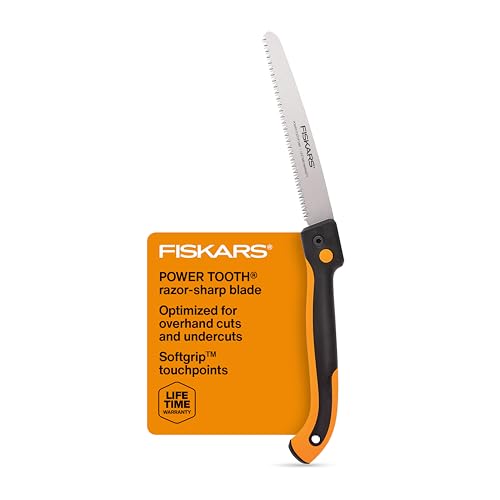
| Fiskars Power Tooth | Dual-position blade for overhand and under cuts | Budget | |
| Mossy Oak 3-in-1 | Swappable wood, metal, and PVC blades | Budget | |
| Agawa BOREAL21 | 21-inch bow-frame cuts like a full-size saw | Premium | |
How to choose a folding saw
Blade length sets what you can cut
Blade length is the single spec that decides your ceiling. A short 7 to 8 inch blade is nimble, packs tiny, and handles branches up to roughly wrist-thick, which covers most campsite and trail work. Step up to an 11 to 14 inch blade and you can power through 6 to 10 inch logs far faster, because the longer stroke moves more teeth through the wood per pass. Bow-frame folding saws stretch the effective cutting length further still, rivaling a full-size buck saw. Match the blade to your typical wood: short for ultralight trips, long for serious firewood, a bow frame for felling and bucking.
Teeth: count, geometry, and speed
Tooth design controls how aggressively a saw bites. Teeth per inch, or TPI, trade speed for smoothness; a lower TPI around 5 to 7 with staggered or triple-ground teeth clears sawdust fast and rips through green wood, which is what you want outdoors. Higher TPI cuts slower but cleaner, better for finish work or metal. Most camping saws favor aggressive low-TPI teeth for raw cutting speed, and several use a triple-cut grind that slices on both the push and the pull for fewer wasted strokes.
Steel and rust protection
Blade steel decides how long the edge lasts and how it holds up to weather. SK-5 and similar high-carbon steels take a keen, aggressive edge and stay sharp through heavy cutting, which is why so many outdoor saws use them. Because carbon steel can rust, look for a low-friction rust-protective coating, which also helps the blade glide through sap-heavy green wood. A coated, hardened blade shrugs off damp storage in a pack far better than bare steel.
Locking and folding safety
A folding saw lives or dies by its lock. The best designs lock the blade solidly in the open position so it cannot fold onto your fingers mid-stroke, and many also lock it closed so it will not spring open in your bag. Bow-frame saws go further by fully concealing the teeth inside the frame when folded, protecting both you and your gear. Test that the lock engages with a positive click, since a loose lock is the most common weak point in a cheap saw.
Weight and packability
How the saw carries matters as much as how it cuts. Compact models fold to pocket size and weigh only a few ounces, ideal for a minimalist kit, while longer and bow-frame saws add weight and length in exchange for cutting power. Consider how it stows too: a saw that folds completely flat or seals its teeth away slides into a pack without snagging. A leather strap, hang hole, or included pouch makes it quicker to grab and safer to stash.
Handle grip and control
The handle is where fatigue and safety are decided over a long cutting session. A rubber-coated or two-component grip stays put when your hands are wet, cold, or sweaty, which is exactly when a bare plastic handle turns slippery and dangerous. Look for a shape that fills the palm without forcing your wrist into an awkward angle, since a comfortable grip lets you put power into the pull stroke rather than fighting the tool. Textured, non-slip surfaces also help you keep a straight line through the cut, and that control is what keeps the blade from wandering or binding.
Replaceable blades and upkeep
Even the best saw blade dulls or bends eventually, so a design that lets you swap the blade extends the tool’s life for years. Several models here use easily replaced blades, which is cheaper than buying a whole new saw and handy if you snap a tooth deep in the woods. Basic upkeep is simple: wipe the blade dry after cutting green or wet wood, add a light coat of oil before long storage, and keep the pivot clean of grit. Aggressive outdoor teeth are hard to hand-sharpen, so most people run a blade until it dulls and then replace it.
REXBETI Heavy-Duty SK-5 Folding Saw
The best-selling saw here earns its spot by combining a long blade with a rock-bottom price. Its 11 inch SK-5 steel blade carries aggressive 7 TPI staggered teeth that cut branches up to 6 or 7 inches across, so it handles real firewood rather than just twigs, and a reinforced blade structure keeps it stable under heavy strokes. The rubber-coated polymer handle grips securely in wet, cold, or dry conditions and cuts hand fatigue during longer sessions. It folds compactly for a backpack or survival bag without losing cutting capability, and a 14 inch version is available if you routinely tackle thicker logs. For most campers, it is the easy value pick.
Pros
- Long 11-inch SK-5 blade cuts 6 to 7 inch branches
- Aggressive 7 TPI staggered teeth for fast cutting
- Secure rubber-coated grip in any weather
- Best-selling value with a longer version available
Cons
- Larger folded size than a compact bushcraft saw
- Carbon steel needs drying to avoid rust
Best for: campers who want maximum cutting length and value for firewood and general wood processing.
Bahco Laplander
The Laplander is the compact classic that bushcrafters reach for again and again. Its 7.5 inch blade uses XT toothing at 7 TPI for fast, clean cuts through green and dry wood, and it happily handles brush, bone, and even plastic, making it a genuine do-it-all field saw. A rust-protected, low-friction coating keeps it gliding and durable, and a built-in safety lock secures the blade both open and closed. The two-component non-slip handle grips in any weather and includes a leather strap for carry and one-handed use. It packs down small, so it is a favorite for trail maintenance, campsite prep, and survival kits where reliability outweighs raw length.
Pros
- Compact, proven bushcraft design
- XT teeth cut wood, bone, and plastic
- Rust-protected low-friction blade
- Locks open and closed with a carry strap
Cons
- Short blade limits maximum branch size
- Slower on thick firewood than a long-blade saw
Best for: bushcrafters and backpackers who want a trusted, compact all-rounder.
Fiskars Power Tooth Folding Saw
Fiskars brings a clever twist to the folding saw with a blade that locks in two positions. The 10 inch triple-ground Power Tooth blade makes aggressive, fast cuts, and because it locks for both overhand and under cuts, it reaches awkward angles that a fixed blade cannot, arguably more versatile than a bow saw for pruning and limbing. The steel stays sharp through heavy use, the blade folds and locks into the handle for safe transport, and a non-slip grip adds control and power. A hang hole and lifetime warranty round out a saw that punches well for its budget price. It suits campers who also do yard and tree work at home.
Pros
- Blade locks for both overhand and under cuts
- Triple-ground teeth cut fast and aggressively
- Folds and locks safely into the handle
- Budget price with a lifetime warranty
Cons
- Mid-length blade, not for the biggest logs
- Plastic handle feels less rugged than metal-framed saws
Best for: campers and homeowners who want versatile angles for pruning and limbing.
Mossy Oak 3-in-1 Folding Saw
The most versatile pick swaps between three purpose-made blades from one handle. A coarse 5 TPI pruning blade tackles branches, a finer 11 TPI blade cuts hardwood and plastic, and an 18 TPI blade handles thin metal like copper or aluminum pipe, so the same tool covers wood, bone, plastic, and light metal. Blades change with a simple knob, a secure lock keeps the chosen blade from folding or slipping mid-cut, and a bonus nylon pouch stores the saw plus its two spare blades for safe carry. The slip-resistant TPR handle fits any hand size. For a kit that might face mixed materials, the flexibility is hard to beat.
Pros
- Three blades for wood, plastic, and metal
- Tool-free blade swaps with a secure lock
- Pouch stores the saw and spare blades
- Comfortable non-slip grip for any hand
Cons
- Shorter blades than dedicated wood saws
- Swappable blades add small parts to track
Best for: survival kits and repair tasks that may hit wood, plastic, or metal.
Agawa BOREAL21 Folding Bow Saw
The premium choice cuts like a full-size bow saw yet folds flat into a pack. The BOREAL21 uses a 21 inch blade on a three-hinged anodized aluminum frame that unfolds in seconds and self-tensions with no loose parts, so you never touch the blade while opening or closing. That long span rips through thick logs far faster than any short folding saw, while stainless hardware and a fiberglass-reinforced handle shrug off warping, rust, and cracking. At around 18 ounces it stays packable, the teeth conceal fully inside the frame when folded, and blades swap without special tools. For serious firewood and trail clearing, it is the cutting-power leader.
Pros
- 21-inch bow blade cuts like a full-size saw
- Unfolds in seconds with automatic tensioning
- Weatherproof aluminum frame and coated blade
- Teeth fully conceal when folded
Cons
- Premium price
- Larger and heavier than compact folders
Best for: serious firewood processing and trail clearing that needs full-size cutting power.
The verdict
Best Overall: the REXBETI SK-5 Folding Saw. As the best-seller it nails the balance most campers want: a long, aggressive blade that cuts real firewood, a secure grip, and a budget price, with a bigger version on hand if you need more reach.
Best Value: the Fiskars Power Tooth. Its dual-locking blade adds genuine versatility for pruning and limbing at a low price, backed by a lifetime warranty.
Best Premium: the Agawa BOREAL21. Full-size bow-saw cutting power that still folds flat makes it the clear upgrade for anyone processing serious wood in the backcountry.
Frequently asked questions
What size branch can a folding saw cut? A short 7 to 8 inch blade handles up to roughly wrist-thick wood, while an 11 to 14 inch blade cuts 6 to 10 inch logs. Bow-frame folding saws go larger still, approaching a full-size buck saw.
Is SK-5 steel good for a saw blade? Yes. SK-5 is a high-carbon steel that takes an aggressive edge and stays sharp through heavy cutting. It can rust, so dry it after wet use and favor a coated blade for weather resistance.
Do folding saws cut on the push or the pull? Most outdoor folding saws cut on the pull stroke, which keeps the blade in tension and reduces binding. Some triple-cut designs bite on both the push and the pull for fewer strokes.
How important is the locking mechanism? Very. A solid lock in the open position stops the blade folding onto your fingers mid-stroke, and a closed lock keeps it from springing open in your pack. Always confirm the lock clicks firmly into place.
Can one saw handle wood and metal? A multi-blade model like the Mossy Oak 3-in-1 swaps between wood, plastic, and metal blades, so a single tool covers mixed materials. Dedicated wood saws cut wood faster but only wood.
This article may contain affiliate links; see our Affiliate Disclosure.