The best travel camera is the one small enough to actually bring, not the heavy kit that stays in the hotel safe. A jacket-pocket camera catches the harbor at dusk and the market at noon without a bag strap digging into your shoulder.


Compact travel cameras trade the bulk of interchangeable lenses for something you can slip into a pocket and pull out in a second. This guide compares proven sellers from pocket point-and-shoots to a stabilized vlogging camera and a long-zoom travel compact, so a casual holiday snapper, a vlogger documenting the trip, and someone who wants real reach from a small body each find a fit.
| Product | Standout | Price | Link |
|---|---|---|---|
| Lecran FHD Point-and-Shoot Camera | 1080p, 16x zoom, pocket point-shoot | Budget | |
| DJI Osmo Pocket 3 Vlogging Camera | 1-inch sensor, gimbal-stabilized 4K | Premium | |
| LOUM Compact Digital Camera | High megapixel, WiFi, budget vlogging | Budget | |
| APPAPK 4K Compact Camera | 4K, autofocus, WiFi | Budget | |
| Panasonic LUMIX ZS99 Travel Zoom Camera | Long optical zoom, real travel compact | Premium | |
How to choose a compact camera for travel
Sensor size sets the ceiling on quality
A larger sensor, such as a 1-inch type, gathers more light for cleaner low-light shots and more pleasing depth, while a tiny budget sensor does fine in daylight but struggles as the light fades. Do not be swayed by a huge megapixel number alone, since resolution on a small sensor does not equal quality. For evenings and interiors on a trip, sensor size shapes the result more than any headline figure.
Zoom: optical versus digital
Optical zoom uses the lens to bring distant subjects closer while keeping detail, which is what a long travel-zoom lens is built for. Digital zoom simply crops and enlarges the image, softening it. For a faraway spire, a stage, or wildlife, real optical reach is the feature worth having, so check the optical figure and work on any digital-zoom number as marketing.
Stabilization for handheld and video
Stabilization steadies handheld stills and smooths video, and a built-in mechanical gimbal, as on the DJI here, delivers cinematic, shake-free footage that phones and simple compacts cannot match. If video is part of your travel plan, stabilization is not a luxury, it is the difference between watchable clips and a queasy, jittery mess.
Pocketability and handling
Weight and size decide whether the camera actually comes with you or gets left behind, so a true pocket camera earns its place by being effortless to carry. Check that the grip and controls suit one-handed use while you are walking, since a camera you can operate without stopping is one you will use far more often on a trip. The best travel camera, in the end, is the one already in your hand when the moment arrives.
Battery, storage, and sharing
Travel days are long, so battery life and a spare are worth planning for, and built-in WiFi makes offloading shots to your phone easy for sharing on the road. Check the memory card type and pack enough capacity, since a day of photos and 4K video fills a card and drains a battery faster than you expect.
Lecran FHD Point-and-Shoot Camera
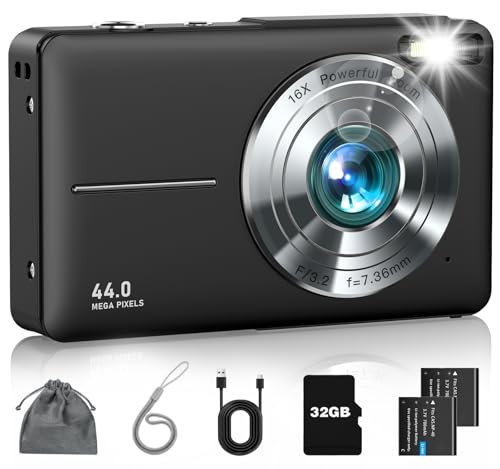
The Lecran is the best-selling and most affordable pick: a genuinely pocket-sized point-and-shoot with 1080p capture and a 16x zoom, aimed at casual travel snaps and handing to kids or companions without worry. Its low price makes it an easy grab for a trip where you would rather not risk an expensive camera, and it keeps things simple with straightforward controls anyone can pick up. It uses a small sensor, so it shines in good daylight and is less at home in dim scenes, and the zoom is more about convenience than pro-grade reach. Taken as a cheerful, take-anywhere travel camera that anyone in the family can use, it is a sensible, low-stakes companion. It is also the kind of camera you can hand to a child to capture their own view of the trip without a moment of worry about the cost.
Pros
- Best-selling and very affordable
- Truly pocket-sized and light
- Simple point-and-shoot operation
- 16x zoom for casual reach
- Low-risk camera to travel with
Cons
- Small sensor struggles in low light
- 1080p video rather than 4K
- Zoom is convenience-grade, not pro
Best for: Casual holiday snaps and a low-risk camera to hand around the family.
DJI Osmo Pocket 3 Vlogging Camera
The DJI Osmo Pocket 3 is the standout for anyone filming their travels: a 1-inch sensor paired with a built-in mechanical gimbal that delivers smooth, cinematic 4K video no phone or simple compact can match. That larger sensor also means cleaner low-light footage and stills with real depth, while the gimbal keeps walking shots buttery and level. It is pocketable, quick to deploy, and purpose-built for vlogging and travel storytelling. It sits at a premium price, but for the quality of stabilized video and low-light performance it delivers in such a small body, it earns every bit of it. For a trip you want to remember in motion rather than only in stills, this is the pick. Quick-access controls mean you can pull it out, film a moment, and pocket it again before the scene passes.
Pros
- 1-inch sensor for clean low-light footage
- Built-in gimbal for smooth 4K video
- Pocketable and fast to deploy
- Excellent for vlogging and travel films
- Sharp, stabilized handheld shots
Cons
- Premium price
- Video-first design over classic stills
- Small body holds a smaller battery
Best for: Vloggers and travelers who want smooth, cinematic video from a pocketable camera.
LOUM Compact Digital Camera
The LOUM is a budget vlogging-and-stills camera that leans on a high megapixel count and built-in WiFi for easy sharing, aimed at travelers who want more than a phone snap without a big spend. It captures photos and video, offers WiFi transfer to your phone, and keeps the price low enough to be an approachable step up for a casual creator. As an entry-level camera it uses a small sensor, so its strength is bright daylight rather than dim interiors, and the headline megapixels tell only part of the quality story. For a first dedicated travel camera on a tight budget, it delivers plenty of features for the money and a fun way to document a trip. Controls are kept simple, so a newcomer can point, shoot, and share without wading through menus.
Pros
- High megapixel capture for the price
- Built-in WiFi for easy sharing
- Affordable entry into a dedicated camera
- Handles both photos and video
- Lightweight and travel-friendly
Cons
- Small sensor limits low-light quality
- Megapixel count outruns true detail
- Entry-level controls and handling
Best for: Budget travelers wanting a feature-packed step up from phone photos.
APPAPK 4K Compact Camera
The APPAPK is another budget-friendly compact, pitched on 4K capture, autofocus, and WiFi for travelers who want simple video and stills at a low price. Autofocus makes it a touch easier to get a sharp shot than fully manual budget cameras, and WiFi lets you move clips to your phone for sharing on the road. Like its budget peers it relies on a small sensor, so it does its best work in good light and is less suited to night scenes. For a casual creator or a younger traveler who wants an inexpensive, easy 4K camera to document a trip, it packs a reasonable feature set into an accessible, pocketable package. For a young traveler earning their first camera, the low price also takes the fear out of the occasional bump or drop. It is a forgiving, low-pressure way to learn framing and light before moving up to a pricier camera.
Pros
- 4K video at a budget price
- Autofocus for easier sharp shots
- Built-in WiFi for phone transfer
- Compact and easy to carry
- Approachable for casual creators
Cons
- Small sensor limits low-light results
- Budget optics and build
- 4K detail is entry-level
Best for: Casual creators who want an inexpensive, easy 4K travel camera.
Panasonic LUMIX ZS99 Travel Zoom Camera
The Panasonic LUMIX ZS99 is a proper travel-zoom compact: a real camera with a long optical zoom that reaches distant subjects, from a wildlife silhouette to a cathedral spire, without the softness of digital cropping. That optical reach in a pocketable body is the classic travel-camera trick, letting one small camera cover wide scenes and faraway details alike. It costs the most here, but it buys a genuine imaging pedigree, a versatile zoom range, and the handling of an established camera line. For a traveler who wants one compact camera that does a bit of everything with real reach, the ZS99 is the accomplished, do-it-all choice that will not leave you wishing you had brought more lens. That single zoom range covers street scenes, portraits, and distant landmarks, so you rarely feel the absence of a bag full of glass.
Pros
- Long optical zoom for real reach
- Established travel-camera pedigree
- Versatile for wide scenes and distant subjects
- Pocketable for a superzoom
- Capable handling and controls
Cons
- Highest price in this group
- Smaller sensor than large-sensor compacts
- More camera than a casual snapper needs
Best for: Travelers who want one compact camera with genuine optical zoom reach.
The verdict
Best Overall: Lecran FHD Point-and-Shoot Camera. The best-seller and the most accessible: pocketable, simple, and cheap enough to bring anywhere and hand around, a low-risk travel companion for casual shooters.
Best for Video: DJI Osmo Pocket 3 Vlogging Camera. Its 1-inch sensor and built-in gimbal deliver smooth, cinematic 4K that outclasses phones and simple compacts, the pick for filming a trip.
Best Premium: Panasonic LUMIX ZS99 Travel Zoom Camera. A real travel-zoom compact with genuine optical reach and imaging pedigree, the do-it-all camera for travelers who want one capable body.
Frequently asked questions
Is a compact camera really better than my phone?
It depends on the camera. Budget point-and-shoots overlap heavily with a modern phone, but a large-sensor or gimbal camera like the DJI, or a long-zoom compact like the Panasonic, does things phones cannot: cleaner low light, smooth stabilized video, or real optical reach. Match the camera to what your phone struggles with.
What does sensor size actually change?
A larger sensor gathers more light, giving cleaner images in dim scenes, better depth, and more detail. A big megapixel number on a tiny sensor does not fix this. For travel, especially evenings and interiors, sensor size affects real-world quality more than the headline resolution.
Optical or digital zoom, does it matter?
Yes. Optical zoom uses the lens to bring subjects closer while keeping detail, as on the Panasonic’s travel-zoom lens. Digital zoom just crops and enlarges, which softens the image. For distant subjects on a trip, real optical zoom is the feature worth paying for.
Which is best for vlogging my travels?
The DJI Osmo Pocket 3, thanks to its built-in gimbal and larger sensor, which together give smooth, cinematic, low-light-capable video from a pocket. Budget 4K compacts can capture clips too, but they lack the stabilization and image quality that make travel footage look polished.
How do I get photos off the camera while traveling?
Many of these include built-in WiFi to transfer shots to your phone for quick sharing, with no cable or computer needed. Otherwise a card reader or USB connection moves files to a laptop. Pack a spare memory card and a way to charge, since travel days fill storage and drain batteries fast.
This article may contain affiliate links; see our Affiliate Disclosure.