Rinse a coated hood after a rainstorm and the water sheets off in fat beads, carrying road film with it. That single moment is why graphene coatings have taken over the detailing aisle, promising slicker, longer-lasting protection than the ceramic sprays that came before them. The real question is whether the graphene label earns its premium, or whether a proven ceramic sealant still holds its own.


Graphene coatings promise a slicker surface, better water beading, and longer durability than traditional ceramic sprays. This comparison lines up the most popular options across two clear groups: quick spray coatings you top up every few months, and true wipe-on coatings meant to last for years. Whether you detail one daily driver in the driveway or keep a small fleet looking sharp, there is a sensible pick below.
At a glance
| Product | Standout features | Price tier | Link |
|---|---|---|---|
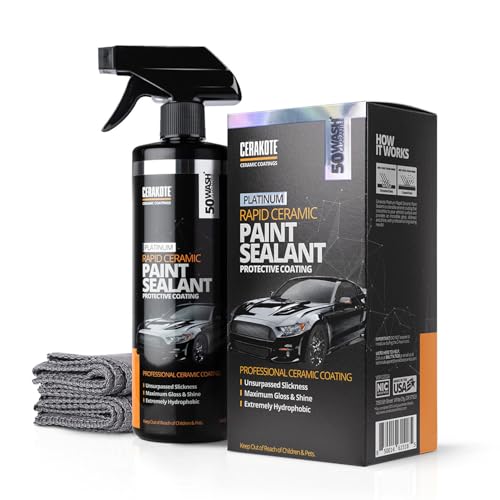
| CERAKOTE Platinum Rapid Ceramic Sealant | Best-selling spray, mirror gloss, very easy to apply | Budget | |
| Ethos RESIST Graphene Spray Coating | Graphene and silica hybrid, spray-and-wipe, months of protection | Budget | |
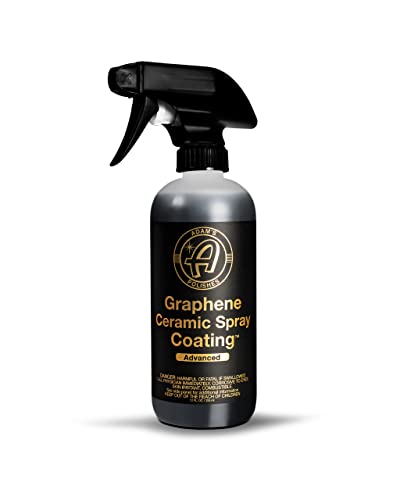
| Adam’s Advanced Graphene Ceramic Spray Coating | UV trace technology, easy panel-by-panel application | Mid-range | |
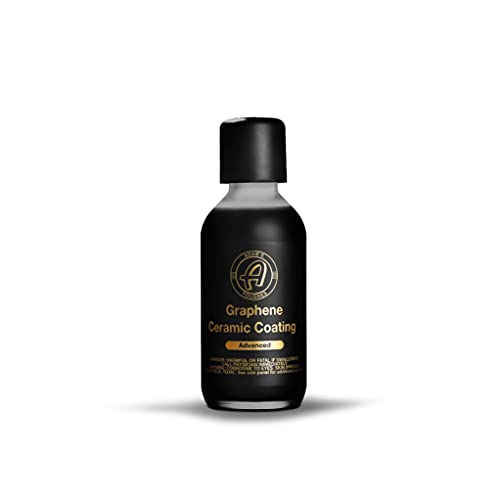
| Adam’s Advanced Graphene Ceramic Coating 10H | True multi-year coating, 10H hardness, UV application aid | Premium | |
| WEIRUIXIN 12H Graphene Ceramic Coating | Full DIY kit, high stated hardness, budget entry to true coatings | Budget | |
How to choose a graphene coating
The marketing language in this category runs hot, so it helps to separate what these products actually are before you pick one.
Graphene versus ceramic: the real difference
Ceramic coatings and sprays build their protective layer from silica, often called SiO2. Graphene products add reduced graphene oxide to that chemistry. The claimed payoff is a surface that sheds water more aggressively, holds less heat, and resists water spotting a little better. In everyday driveway use the difference is real but modest. A well-made ceramic sealant still beads, still shines, and still protects. Graphene is best thought of as an incremental upgrade rather than a different species of product.
Spray coatings versus true coatings
This is the split that actually changes your results. Spray-and-wipe products go on in minutes and typically last a season, and they are forgiving if you have never coated a car before. True coatings are wiped on panel by panel, need to set undisturbed, and reward careful prep with years of protection. If you want the longest life and are willing to take your time, a true coating pays off. If you want fast, repeatable results, a spray is the smarter tool.
Prep decides everything
No coating bonds well to a dirty or contaminated surface. A proper wash, a clay product to pull out embedded grit, and a clean, dry panel matter more than the brand on the bottle. Longer-lasting coatings are especially unforgiving here, since anything trapped underneath is locked in for the life of the layer.
Application aids and set time
Some coatings include a UV tracer so you can see exactly where you have applied under a blue light, which nearly eliminates missed spots and streaky high spots. True coatings also need dry weather and a window where the car stays untouched and unwashed while the layer hardens. Plan the job around good weather rather than squeezing it in before rain.
What a coating will not do
Set expectations plainly and you will be happier with any of these. A coating is a sacrificial layer that makes cleaning easier and shrugs off water, road film, bird droppings, and UV. It is not armor. It will not stop a rock chip, it will not erase existing swirls, and it will not survive an automatic brush wash forever. Hardness ratings printed on the bottle, whether 9H, 10H, or 12H, are relative marketing shorthand rather than a strict, comparable lab scale, so take a big number as a signal of intent, not proof. A coating also does not replace washing. It means less scrubbing, not none.
Coverage and how much you need
Sprays are generous: a single bottle typically covers a whole car with plenty left for repeat sessions, which is part of why they are such good value. True coatings ship in small bottles measured in milliliters, and that is normal, since you apply a very thin layer panel by panel. Bigger vehicles, trucks, SUVs, and vans, simply need more product and more time, so factor that in. If you plan to coat wheels, glass, and trim as well as paint, budget extra rather than stretching a bottle thin.
Getting the best result at home
The process matters as much as the product, and it is the same shape whichever bottle you pick. Start with a thorough wash and a clay product to pull embedded grit out of the paint, then dry completely. Work out of direct sun on cool panels, since heat flashes the product too fast and causes streaks. Move one panel at a time in a small, controlled area rather than misting the whole car at once, and keep two clean microfiber towels going: one to level the product and one to buff it to a clean finish. Flip and swap towels often, because a saturated towel smears instead of buffing. If you are laying down a true coating, watch for high spots, the slightly hazy patches where excess product sat too long, and level them before they set. Then leave the car alone: dry, untouched, and unwashed for as long as the instructions ask, often a day before it is water safe and up to a week before the first wash.
CERAKOTE Platinum Rapid Ceramic Paint Sealant
This is the runaway best seller of the group, and it earns that spot by being almost foolproof. It is a ceramic sealant rather than a graphene product, which makes it the natural benchmark for the whole graphene-versus-ceramic question. You wash, dry, mist a light coat onto a panel, and buff it to a mirror shine. The gloss it leaves is genuinely striking, and the slick, water-shedding finish holds up through many washes. For a first-time coater, it removes almost every way to go wrong.
Pros
- Extremely easy spray-and-buff process with a fast learning curve
- High-gloss, mirror-like finish that flatters most paint colors
- Strong hydrophobic beading and a slick, clean-staying surface
- Proven best seller with a wash-durability rating that outlasts basic waxes
Cons
- Ceramic rather than graphene, so it sits out the headline chemistry
- Season-scale protection, not the multi-year life of a true coating
Best for: anyone who wants the easiest path to a glossy, protected finish they can refresh often.
Ethos RESIST Graphene Spray Coating for Cars
Ethos RESIST is the graphene answer to the easy-spray formula. It blends reduced graphene oxide with silica in a two-in-one formula that works either as a standalone protectant or as a topper over an existing coating. The spray-and-wipe process is quick, the finish comes out slick and streak free, and it is safe across paint, glass, and even trim. It suits someone who likes the graphene chemistry but does not want the commitment of a wipe-on coating.
Pros
- Graphene and silica hybrid in a genuinely fast application
- Doubles as a standalone protectant or a topper over other coatings
- Safe across paint, glass, and many exterior surfaces
- Leaves a slick, glossy, streak-free finish
Cons
- Protection is measured in months, so it needs periodic reapplication
- Less dramatic depth than a dedicated true coating
Best for: drivers who want graphene beading with sealant-level convenience.
Adam’s Advanced Graphene Ceramic Spray Coating
Adam’s sits a step above the basic sprays with a graphene spray coating that leans on the brand’s UV trace technology. Under a blue light the coating glows where it has landed, so you can see missed areas and wipe down high spots before they set. It is still a spray-and-wipe product, so application stays approachable, but the result feels a notch more durable and deliberate. Working panel by panel keeps overspray under control and the finish even.
Pros
- UV trace tech makes even coverage far easier to achieve
- Legitimate graphene chemistry with strong water beading and slickness
- Safe across paint, wheels, glass, trim, and more
- Approachable for weekend detailers while feeling premium
Cons
- Costs more than the simplest sprays
- A UV light helps a lot and is a separate purchase
Best for: hobbyists who want graphene protection with a built-in way to avoid streaks.
Adam’s Advanced Graphene Ceramic Coating 10H
This is the true coating in the lineup, the one you wipe on and leave to fix for years of protection rather than months. It claims 10H hardness, extra coating resin for durability, and the same UV application aid that makes coverage repeatable. The depth of gloss and the way water almost leaps off the surface are a clear step beyond any spray. In exchange you commit to careful prep, dry weather, and a fix window where the car stays untouched.
Pros
- Multi-year protection from a single careful application
- High stated hardness with strong scratch and stain resistance
- Deep gloss and aggressive water behavior
- UV tracer helps you nail an even, high-spot-free layer
Cons
- Premium price and a real time commitment
- Unforgiving of poor prep, since flaws get locked in
Best for: owners who want the longest-lasting finish and will put in the prep to earn it.
WEIRUIXIN 12H Graphene Ceramic Coating
For anyone curious about true coatings without a premium outlay, this WEIRUIXIN kit is the low-cost way in. It arrives as a complete package with the coating, applicator, cloths, gloves, and a manual, so you are not hunting for extras. The stated 12H hardness and hydrophobic finish read like the pricier options, and the process is the same wipe-on, wait, and buff routine. Take the hardness numbers as marketing rather than a lab result, and mind the fix instructions, which ask you to keep the car dry for the first week.
Pros
- Complete DIY kit with all the accessories included
- Low cost of entry to true wipe-on coatings
- Strong water beading and a glossy finish
- Works across paint, glass, headlights, and trim
Cons
- Hardness ratings are unverified marketing claims
- Strict set window, with no washing for the first several days
Best for: budget-minded DIYers who want to try a real coating before spending more.
The verdict
Best overall: the CERAKOTE Platinum Rapid Ceramic Sealant. It is the best seller for a reason, pairing a genuinely easy process with a striking gloss and reliable protection. It answers the headline question with a shrug: a good ceramic still holds up, and for most drivers the convenience wins.
Best value: the Ethos RESIST Graphene Spray Coating, which delivers the graphene chemistry and beading in the same fast spray format at a friendly price.
Best premium: the Adam’s Advanced Graphene Ceramic Coating 10H, the true multi-year coating for owners who want the deepest finish and the longest life and will prep the car to match.
Frequently asked questions
Do graphene coatings really beat ceramic? They tend to bead a little harder and hold less heat, but the gap in daily use is small. A strong ceramic sealant like the CERAKOTE remains an excellent choice, which is exactly why it outsells most graphene sprays.
How long do these last? Spray coatings generally protect for a season and are meant to be refreshed. True coatings such as the Adam’s 10H are designed for multiple years from one application when prepped and set properly.
Can I apply a coating in my driveway? Yes. The sprays are driveway-friendly by design. True coatings also work at home, but you need dry weather, clean panels, and a window where the car stays untouched while it fixes.
Do I need to prep the paint first? Always. Wash thoroughly, clay the paint to remove embedded contaminants, and dry fully. Prep matters more to the result than which bottle you choose.
Are the hardness numbers like 10H or 12H meaningful? Take them as relative marketing rather than a strict lab scale. They signal a durable coating, but they are not directly comparable across brands.
Can I put a graphene spray on top of an existing coating? Usually yes, and it is a common way to extend protection. Products like the Ethos RESIST are designed to work either as a standalone layer or as a topper that refreshes beading on a coating that is starting to fade.
Will a coating remove swirls or scratches? No. Coatings are clear protective layers, so anything already in the paint stays visible underneath, and a thick layer can even highlight it. Correct the paint first with polishing if defects bother you, then coat to lock in the finish.
How should I wash a coated car? Stick to a gentle hand wash with a pH-neutral shampoo and the two-bucket method, and dry with a clean microfiber towel. Skip harsh degreasers and automatic brush washes, which scrub away the layer you just paid for.
What happens if I get streaks or high spots? On sprays, simply buff them out with a clean, dry microfiber towel while the product is fresh. On true coatings, level them quickly before the layer fixes, because once hardened, removing a high spot usually means machine polishing it off.
This article may contain affiliate links; see our Affiliate Disclosure.