The Wi-Fi bar drops to one the moment you step onto the patio, the security camera by the shed keeps dropping offline, and streaming in the hammock is a lost cause. An outdoor mesh node fixes all of that, pushing a strong, weatherproof signal past the walls that stop an indoor router cold. The units below carry your network into the yard, and one of them outsells the rest by a mile.




One thing to understand up front: most of these are outdoor nodes that join an existing mesh system rather than a complete network on their own. The TP-Link Deco units add to a Deco mesh, the eero Outdoor 7 extends an eero network or bridges two points across a property, and the Cudy is a flexible standalone access point. They suit a homeowner covering a deck, a workshop that needs reliable connectivity, a camera-heavy setup, or anyone who wants signal to reach the far corner of a large lot. Here is the quick comparison, then a guide to picking the right one.
| Outdoor unit | Standout features | Price | Link |
|---|---|---|---|
| TP-Link Deco X50-Outdoor | Wi-Fi 6 AX3000, IP-rated weatherproof, dual gigabit PoE ports | Mid-range | |
| TP-Link Deco BE65 Outdoor | Wi-Fi 7 tri-band with 6GHz, IP65, dual 2.5G PoE+, MLO | Premium | |
| Amazon eero Outdoor 7 | Wi-Fi 7, IP66, up to 15,000 sq ft outdoors, PoE+ adapter included | Premium | |
| TP-Link Deco X20-Outdoor | Wi-Fi 6 AX1800, IP65, dual gigabit PoE+ ports, budget Deco node | Budget | |
| Cudy AP1300 Outdoor | AC1200 dual-band AP, IP65, gigabit port, detachable antennas, PoE | Budget | |
How to choose an outdoor mesh node
Outdoor networking hinges on three things: survives the weather, connects to what you already own, and gets power to a spot with no nearby outlet. Get those right and the speed sorts itself out.
Match it to your existing system
This is the decision that trips people up. A TP-Link Deco outdoor node only extends a TP-Link Deco mesh; an eero Outdoor 7 slots into an eero network. If you already run one of those ecosystems, buy the matching outdoor unit and it drops into your app in minutes with the same network name. If you do not, either adopt that ecosystem indoors too or choose a standalone access point like the Cudy, which works independently and can run as an AP, extender, or small router. Buying an outdoor node for the wrong brand is the most common and most avoidable mistake.
Weatherproof rating
Look for an IP rating in the mid-60s. IP65 seals out dust and resists rain from any direction, which handles most climates; IP66 steps up to stronger jets of water and, on the eero, an operating range from bitter cold to desert heat. All the units here are rated to live outside year-round, but if you face driving storms, deep snow, or extreme temperature swings, the higher rating buys peace of mind for a mount that you do not want to revisit.
Power: PoE is your friend
The hardest part of an outdoor install is usually electricity, and Power over Ethernet solves it elegantly. A single Ethernet cable carries both data and power from an indoor PoE switch or injector to the node, so there is no need for a weatherproof outlet on the far wall. Every unit here supports PoE, and most also accept standard AC power if an outlet is handy. Plan your cable run first, because it dictates where the node can go and how far your coverage will reach.
Wi-Fi 6, Wi-Fi 7, and real coverage
Wi-Fi 6 is plenty for browsing, streaming, and cameras across a yard, and it keeps the price down. Wi-Fi 7 adds Multi-Link Operation and, on tri-band models, a fast 6GHz band for lower latency and higher throughput, which matters if you push heavy traffic outdoors or want future headroom. Coverage claims are line-of-sight ideals, so take them as ceilings, not promises. Walls, trees, and metal cut range, and one node covers a patio and near yard well; a sprawling property or a detached building may want two.
Ports and wired backhaul
Dual Ethernet ports let a node do double duty: one feeds the unit, the other can wire a camera, a smart doorbell, or a second building into the network. Faster 2.5-gigabit ports on the Wi-Fi 7 models remove bottlenecks if you have multi-gig internet. A wired backhaul, running Ethernet between nodes rather than relying on a wireless hop, gives the most stable outdoor performance, so use it when the cable run allows.
TP-Link Deco X50-Outdoor
The best seller here is the sweet spot of price, performance, and simplicity. The X50-Outdoor extends a Deco mesh into the backyard, guest house, or patio with AX3000 Wi-Fi 6, and it is certified waterproof and dustproof to ride out heavy rain. Installation is genuinely flexible: a single Ethernet cable handles both data and power through its PoE ports, and the included kit lets you pole-mount or wall-hang it wherever coverage is needed. The Deco app adds it in minutes, works with voice assistants, and TP-Link’s HomeShield brings network and IoT protection. For anyone already on Deco who wants dependable outdoor coverage without overpaying, it is the obvious first choice.
Pros
- Most-bought outdoor mesh node, proven and popular
- AX3000 Wi-Fi 6 with strong weatherproofing
- Dual gigabit PoE ports for one-cable installs
- Fast, guided setup through the Deco app
Cons
- Requires an existing TP-Link Deco mesh
- Wi-Fi 6, not the newer Wi-Fi 7
Best for: Deco owners who want reliable, well-priced coverage on a patio or near yard.
TP-Link Deco BE65 Outdoor
When you want the newest wireless tech outdoors, the BE65 is the standout. It is a tri-band Wi-Fi 7 unit with a fast 6GHz band, delivering multi-gigabit speeds and Multi-Link Operation that transfers data across bands at once for lower latency and steadier connections. It adds up to 3,000 square feet for as many as 200 devices, carries an IP65 rating against rain, dust, and vibration, and includes two 2.5-gigabit PoE+ ports to pair with multi-gig internet. AI-Roaming hands your devices to the strongest unit as you move, and the included kit mounts it on a pole or wall. It is a premium buy, but for a device-dense home or one that wants years of headroom, it is worth it.
Pros
- Tri-band Wi-Fi 7 with fast 6GHz band
- Dual 2.5G PoE+ ports for multi-gig internet
- IP65 weatherproofing and flexible mounting
- AI-Roaming for smooth handoff outdoors
Cons
- Premium price for the latest standard
- Needs a compatible Deco mesh and fast internet to shine
Best for: Deco households wanting top Wi-Fi 7 speed and future-proof coverage.
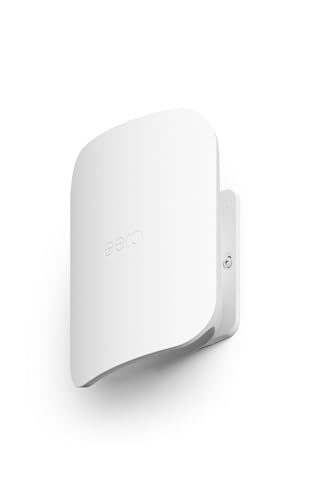
Amazon eero Outdoor 7
For sheer reach, nothing here matches the eero Outdoor 7. A single unit blankets up to 15,000 square feet outdoors, roughly a 70-foot radius, and connects well over a hundred devices, so it covers big lots, treehouses, and pool areas that leave other nodes short. It carries a rugged IP66 rating and is tested from deep cold to extreme heat, so it stays out all year. Wi-Fi 7 delivers fast wireless speeds, it powers from AC or PoE+ with the adapter included in this version, and eero’s TrueMesh software keeps devices on the strongest connection automatically. Setup through the eero app is famously painless. If you run eero and need to cover serious ground, this is the coverage champion.
Pros
- Enormous outdoor coverage from one unit
- Rugged IP66 rating, wide temperature range
- Wi-Fi 7 speed with included PoE+ adapter
- Effortless eero app setup and management
Cons
- Highest price in the group
- Best inside an existing eero ecosystem
Best for: eero owners covering large yards, outbuildings, or wide-open property.
TP-Link Deco X20-Outdoor
The X20-Outdoor is the value entry into outdoor Deco coverage. It runs AX1800 Wi-Fi 6, adding up to 2,200 square feet for as many as 150 devices, which is ample for a patio, driveway, or garden and a handful of cameras. It carries the same IP65 weatherproofing and the same three mounting options as its pricier siblings, plus dual gigabit PoE+ ports so one cable does data and power. AI-Roaming keeps you on the best unit as you move between indoors and out under a single network name. You give up some speed and device headroom versus the X50, but if your outdoor needs are modest, it is the smart way to extend a Deco mesh for less.
Pros
- Lowest-cost Deco outdoor node
- Wi-Fi 6 coverage up to 2,200 sq ft
- IP65 rating, three mounting options
- Dual gigabit PoE+ ports
Cons
- Slower AX1800 than the X50
- Still requires a Deco mesh
Best for: Deco owners with modest outdoor needs who want to save.
Cudy AP1300 Outdoor
The Cudy is the flexible, brand-agnostic option, and the one to choose if you do not run Deco or eero. It is an AC1200 dual-band access point that also works as an outdoor extender, router, or mesh unit depending on how you configure it, so it fits almost any setup. A gigabit Ethernet port, two detachable 5dBi antennas on standard connectors, IP65 waterproofing, and 4KV lightning protection make it a rugged, tinker-friendly choice for a yard, shop, farm, or RV. It supports PoE with an included adapter, so installation stays simple. It asks a little more configuration than an app-driven node, but for the lowest price and total independence from any ecosystem, it delivers.
Pros
- Lowest price and works with any network
- Five operating modes for flexible use
- Detachable antennas and lightning protection
- IP65 rugged housing, PoE adapter included
Cons
- More manual setup than app-based nodes
- AC1200 speeds trail the newer units
Best for: anyone outside the Deco or eero ecosystems who wants affordable, adaptable outdoor Wi-Fi.
The verdict
Best Overall: the TP-Link Deco X50-Outdoor. As the top seller, it balances solid AX3000 Wi-Fi 6, robust weatherproofing, easy PoE installation, and a fair price better than anything else, making it the default for the large base of Deco owners.
Best Value: the TP-Link Deco X20-Outdoor. It brings genuine outdoor Deco coverage, IP65 sealing, and dual PoE+ ports at the lowest Deco price, which is plenty for a patio, driveway, and a few cameras.
Best Premium: the Amazon eero Outdoor 7. Its enormous coverage, rugged IP66 build, and Wi-Fi 7 speed make it the pick for large properties and outbuildings, especially for households already on eero.
FAQ
Do these work on their own or do I need a home system first? Most are outdoor nodes that extend an existing mesh: the Deco units need a TP-Link Deco network and the eero needs an eero one. The Cudy is the exception and can run standalone as an access point. Check what you already own before buying.
How do I power a unit far from any outlet? Use Power over Ethernet. A single Ethernet cable from an indoor PoE switch or injector carries both data and power to the node, so you do not need a weatherproof outlet outside. All the units here support PoE, and most also accept AC power.
Will one node cover my whole backyard? Often yes for a patio and near yard, but coverage claims assume clear line of sight. Trees, walls, and metal buildings cut range, so a large lot or a detached workshop may need a second node or a wired backhaul run to it.
Is Wi-Fi 7 worth it outdoors? For most outdoor uses like streaming, browsing, and cameras, Wi-Fi 6 is more than enough and saves money. Choose Wi-Fi 7 if you have multi-gig internet, push heavy traffic outside, or want the longest future headroom from a device you will not replace soon.
Can I plug a camera into these? Yes. The dual-port models let you wire a camera, doorbell, or another device straight into the node’s spare Ethernet port, which is both faster and more reliable than connecting it over Wi-Fi.
Are they safe to leave out in winter? They are built for it. Every unit carries an IP65 or IP66 rating for dust and rain, and the eero is tested through a wide temperature range, so they are designed to stay mounted outdoors all year.
This article may contain affiliate links; see our Affiliate Disclosure.