There is a sound every moka pot owner learns to love: the low gurgle that means coffee is climbing into the top chamber, rich and ready. No pods, no pump, no electricity, just ground coffee, water, and a stove. A good moka pot turns a small ritual into a strong, aromatic cup, and the differences between them come down to material, size, and a few details that decide how easy the whole thing is to live with.


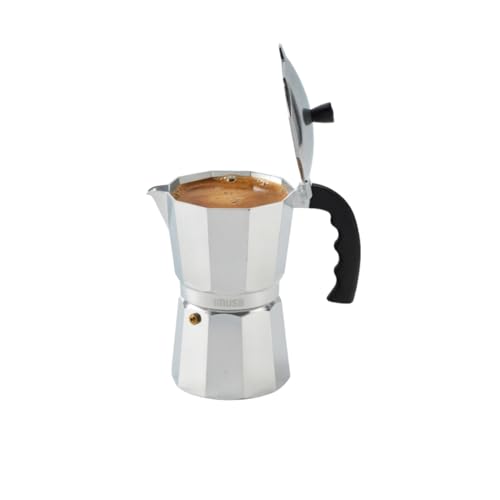
A great moka pot heats evenly, seals well so no steam escapes, and pours a clean cup without drips. The best pick depends less on price than on how many servings you brew and what stove you own. This lineup covers a top-selling budget classic, the original Italian icon, and durable everyday rivals, so a solo drinker, a couple sharing a morning pot, and a household doing big weekend batches are all covered.
At a glance
| Product | Standout features | Price tier | Link |
|---|---|---|---|
| Primula Classic | Best seller, cast aluminum, flip-top lid, many sizes | Budget | |
| Bialetti Moka Express | The original design, made in Italy, patented safety valve | Premium | |
| GROSCHE Milano | Burn-guard handle, silicone gasket, Italian safety valve | Mid-range | |
| Mongdio | Cast aluminum, safety valve, sizes up to 12 cups | Budget | |
| IMUSA 9-Cup | Large batch capacity, cool-touch handle, budget price | Budget | |
How to choose a moka pot
Moka pots are simple, but a few choices make the difference between a keeper and a drawer filler.
What a moka pot actually makes
Worth knowing before you buy: a moka pot does not make true espresso, and that is not a flaw. An espresso machine forces water through a tightly packed puck at around nine bars of pressure, which builds the thick crema on top. A moka pot works at a small fraction of that, using steam pressure to push hot water up through the grounds. The result is a strong, concentrated, full-bodied coffee that sits somewhere between espresso and a very robust drip, with a light foam at best rather than a proper crema. Drink it neat in a small cup, lengthen it with hot water for an Americano style, or use it as the base for a milk drink. Judge it as its own thing and it delivers enormously for the money.
Aluminum versus stainless steel
All of these use cast aluminum, the traditional material. Aluminum heats fast and evenly and keeps the pot light and affordable. It should be hand washed, not put in the dishwasher, and it builds up a seasoning over time that many drinkers say improves the flavor. Stainless steel pots exist and are more rugged and induction friendly, but they cost more and heat a little differently. For most kitchens, classic aluminum is the easy, proven starting point.
Pick the size by servings
Moka pot sizes are measured in small espresso, or demitasse, cups, not mugs. A 6-cup model makes enough for one or two people to enjoy a couple of small, strong servings. A 9-cup pot suits a household or anyone who likes a big batch, and some ranges go up to 12. One important rule: moka pots brew best when filled close to capacity, so buy the size that matches your usual pour rather than a big pot you will run half empty.
Stovetop compatibility
These aluminum pots work on gas, electric, and ceramic stovetops. They do not work directly on induction cooktops, which need a magnetic base or a separate induction adapter plate. If you cook on induction, plan for an adapter or choose a stainless, induction-ready pot instead. Camp stoves and propane burners are fine, which makes a moka pot a favorite for travel and the outdoors.
Safety valve, gasket, and handle
A pressure safety valve is a must, and every pick here has one. The rubber or silicone gasket that seals the two halves is the part that wears out, so choosing a common size makes replacements easy and extends the pot’s life. Silicone tends to outlast rubber and hold its seal longer. A stay-cool or burn-guard handle is worth having, since the metal gets hot fast during the short brew, and a hot handle is the most common complaint owners raise about cheaper pots.
The grind is half the battle
No pot rescues the wrong grind. Moka pots want a grind finer than drip coffee but coarser than true espresso, roughly the texture of table salt. Too coarse and water rushes through, giving a thin, sour cup. Too fine and the grounds pack tight, pressure builds, and you get a bitter, over-extracted brew or a hissing safety valve. Buying coffee labeled for espresso machines often lands too fine, so a medium-fine setting is the safer target. Fill the funnel level and do not tamp or press the grounds, because a moka pot relies on water passing freely rather than fighting a compacted puck.
How to brew a great moka pot cup
The routine is quick, and a few habits separate a rich cup from a bitter one. Fill the lower chamber with water up to just below the safety valve, never above it, and use hot water if you want to reduce the time the grounds spend heating up, which is a favorite trick for cutting bitterness. Add your medium-fine grounds to the funnel, level them off, and leave them loose. Screw the two halves together firmly using the body rather than the handle, then set the pot on medium heat rather than a roaring flame, since high heat is the main cause of harsh, burnt-tasting coffee. Leave the lid open so you can watch. When the coffee starts to rise it should flow in a steady, honey-colored stream; once that stream turns pale, blond, and starts to sputter, take the pot off the heat immediately, because everything after that point is bitter. Some people cool the base with a damp towel to stop extraction cleanly. Pour straight away rather than letting the coffee sit on the hot metal, and rinse the pot with warm water once it cools, skipping detergent so you keep the seasoned character that builds over time.
Primula Classic
The Primula Classic is the best seller here, and it is the value benchmark the others answer to. Cast aluminum spreads heat evenly for a smooth, rich cup, and a flip-top lid with a heat-resistant knob and handle makes pouring safe and easy. It brews espresso, Americano, Cuban, and Italian-style coffee, then rinses clean in warm water. It comes in several sizes and works on gas, electric, and ceramic stoves, so it fits almost any kitchen or a camping kit. For a first moka pot, it is hard to beat.
Pros
- Best-selling, budget-friendly, and beginner proof
- Even-heating cast aluminum for a smooth cup
- Flip-top lid with cool-touch knob and handle
- Multiple sizes and broad stovetop compatibility
Cons
- Aluminum needs hand washing, not the dishwasher
- Not usable on induction without an adapter
Best for: first-timers and anyone who wants a reliable everyday pot for less.
Bialetti Moka Express
The Bialetti Moka Express is the original stovetop espresso maker, the eight-sided pot that defined the whole category. It is made in Italy, carries a patented safety valve, and its distinctive shape has become the picture people imagine when they hear moka pot. The brewing routine is classic: fill to the valve, add coffee without pressing, and listen for the gurgle. It costs more than the budget rivals, but you are paying for the genuine article and a build that owners keep for years.
Pros
- The authentic, original moka pot design
- Made in Italy with a patented safety valve
- Iconic look and a devoted following
- Available in several sizes to match your pour
Cons
- Priced well above the value options
- Aluminum body should be rinsed only, no detergent or dishwasher
Best for: buyers who want the genuine Italian classic on the stove.
GROSCHE Milano
The GROSCHE Milano refines the classic with a couple of thoughtful touches. Its larger soft-touch handle has a burn guard for your finger, which directly targets the hot-handle complaint many moka users share. An Italian safety valve manages pressure, and it uses a standard silicone gasket that is easy to replace when it eventually wears. It comes in 3, 6, and 9-cup sizes and in different colors, and works on gas, electric, and camping stoves. It is a comfortable, practical middle-ground pick.
Pros
- Burn-guard soft-touch handle for safer pouring
- Italian safety valve and easy-to-replace silicone gasket
- Multiple sizes and color choices
- Works on gas, electric, and propane camp stoves
Cons
- Heats slowly on induction and needs it to be magnetic
- Costs more than the plain aluminum classics
Best for: anyone who wants a safer handle and easy gasket replacement.
Mongdio
The Mongdio is a modern take with a matte finish and a full range of sizes from 3 up to 12 cups. It uses food-grade cast aluminum for fast, even heating and a built-in safety valve to regulate pressure, plus a heat-resistant handle, lid knob, and a built-in spout for tidy pouring. The maker recommends medium heat and a short three-to-five minute brew for a rich cup. It is an easy, good-value choice for someone who likes a cleaner, contemporary look without leaving the classic formula behind.
Pros
- Wide size range, including large 12-cup options
- Even-heating cast aluminum and a safety valve
- Heat-resistant handle and a drip-friendly spout
- Modern matte styling at a budget price
Cons
- Hand wash only, no dishwasher
- Not induction compatible on its own
Best for: shoppers who want a modern look and flexible sizing.
IMUSA 9-Cup
When the goal is a big batch, the IMUSA 9-cup is the low-cost workhorse. Its durable aluminum body brews plenty at once and keeps the coffee warm, with a cool-touch handle and knob for easy handling and a flip-up top and side spout for simple serving. It is a familiar name for Cuban, Italian, and espresso-style coffee, and its price makes it an easy pick for a household, a shared office kitchen, or anyone who likes to brew once and pour several cups. Straightforward and dependable.
Pros
- Large 9-cup capacity for households or batches
- Cool-touch handle and knob for safe handling
- Flip-up lid and side spout for easy serving
- Very affordable and well known
Cons
- Best filled near capacity, so oversized for a single cup
- Aluminum requires hand washing and is not induction ready
Best for: big-batch brewers and shared kitchens on a budget.
The verdict
Best overall: the Primula Classic. It is the best seller because it gets the fundamentals right, even heating, easy pouring, broad stovetop support, and multiple sizes, all at a budget price. For most people it is the smartest first moka pot.
Best value: the IMUSA 9-Cup, an inexpensive way to brew big batches for a household or office without fuss.
Best premium: the Bialetti Moka Express, the original Italian icon for anyone who wants the authentic pot and a build worth keeping for years.
Frequently asked questions
Is moka pot coffee the same as espresso? Not exactly. A moka pot brews under lower pressure than an espresso machine, so the result is strong and concentrated but without the thick crema of a true espresso. Many people love it as an everyday strong coffee.
Can I use a moka pot on an induction stove? These aluminum pots cannot sit directly on induction. You need an induction adapter plate or a stainless, magnetic-base pot designed for it.
What size should I buy? Match the size to your usual pour, since moka pots work best filled close to capacity. A 6-cup suits one or two drinkers; a 9-cup or larger suits a household.
How do I clean and care for it? Rinse with warm water and let the parts dry before reassembling. Skip the dishwasher and harsh detergents on aluminum, and replace the gasket when it hardens or leaks.
Why does my pot need to be full of coffee? Underfilling the funnel or the water base can lead to weak or uneven brewing. Fill the water to the valve and the funnel level without pressing the grounds.
Why does my coffee taste bitter or burnt? Usually the heat is too high, the grind is too fine, or the pot stayed on the burner after the stream turned pale. Use medium heat, a medium-fine grind, and pull it off as soon as the flow lightens and sputters.
What grind should I use? Finer than drip but coarser than espresso, roughly like table salt. Coffee ground for an espresso machine is often too fine and can choke the pot or turn the cup bitter.
Can I make a latte or cappuccino with one? Yes. The brew is concentrated enough to work as the base, so add steamed or frothed milk for lattes and cappuccinos. It is a popular, inexpensive way to make milk drinks at home.
Can I take a moka pot camping? Absolutely, and it is one of their best uses. They need no electricity and work on gas and propane camp stoves, which is why they travel so well.
This article may contain affiliate links; see our Affiliate Disclosure.