You wake up, turn your head, and something in your neck objects. The pillow under you spent eight hours holding your skull at an angle it did not want, and the bill arrives at breakfast. A contour pillow is a genuinely useful tool for that problem, as long as you buy it for the right reason and expect the right thing from it.
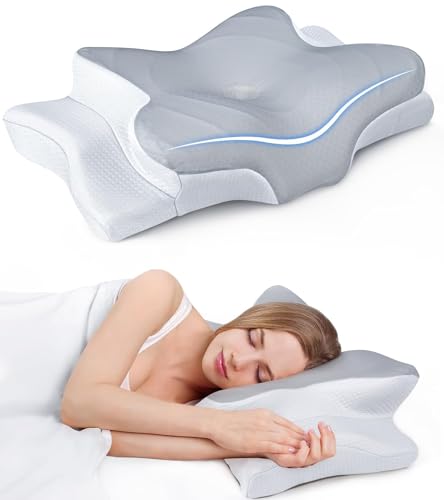
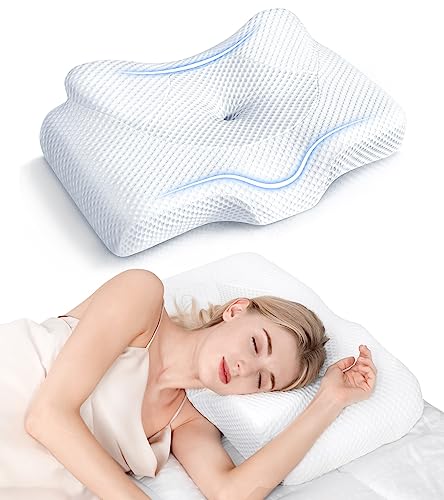

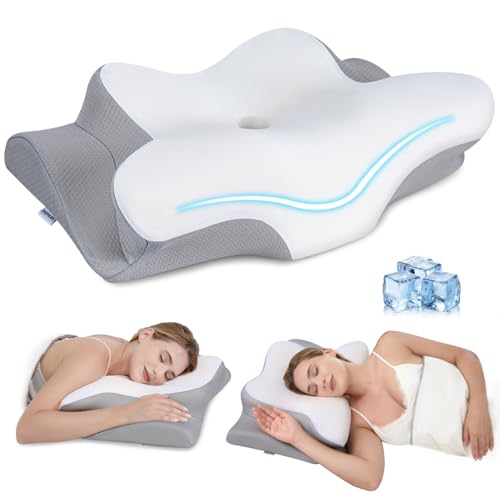

Every pillow here shares one idea: a dip in the middle for your head, raised edges to cradle the neck, and memory foam to hold the shape rather than flatten. What separates them is how they let you tune the height, which turns out to be the only specification that reliably matters. The five below cover both approaches to that problem.
At a glance
| Product | Standout features | Price tier | Link |
|---|---|---|---|
| Cozyplayer Contour Pillow | Hollow concave center, six contour zones, adjustable height, cooling cover | Mid-range | |
| Osteo Cervical Pillow | Patented hollow center, adjustable height, mesh fiber cooling case | Mid-range | |
| Bespillow Contour Pillow | Two heights by rotating, 15 degrees angled hollow, certified slow-rebound foam | Budget | |
| Missleep Cervical Pillow | Two heights, triple-certified foam, washable ice silk cover, warranty | Mid-range | |
| Ylekto Cervical Pillow | Two heights at 5.3 and 3.7 inches, published dimensions, washable cover | Budget | |
How to choose a pillow for neck pain
Height is the whole game
Strip away the marketing and one variable decides whether a pillow helps: how high it holds your head. The goal is a neck that continues the line of your spine rather than bending up or down. Get it wrong in either direction and the muscles spend the night holding a position instead of resting.
Your sleeping position sets the target. Side sleeping leaves a gap between the ear and the mattress roughly as wide as your shoulder, so it needs the most height, and broad shoulders need more still. Back sleeping needs noticeably less, enough to support the neck’s curve without pushing the chin toward the chest. Stomach sleeping needs almost none, and is the position most likely to be causing the problem in the first place, because it forces the head to stay turned all night.
This is why a pillow that was perfect for a friend can be useless for you. It is also why adjustability is worth paying for.
Fixed, two-height, or adjustable
Three approaches show up here. A fixed contour is a single guess at your dimensions. Two-height designs, used by the Bespillow, Missleep, and Ylekto, put a taller contour on one side and a shorter one on the other: rotate the pillow 180 degrees and you have the other option. The Ylekto is the only one that publishes the actual figures, 5.3 inches and 3.7 inches, which is more useful than any adjective.
The third approach is adjustable fill, where you add or remove foam inserts to tune the height in smaller steps. The Cozyplayer and Osteo both work this way. It takes longer to get right, and it is the only method that can land between two fixed options, which matters if you are between sizes or if you switch positions during the night.
Foam quality and what the certifications mean
Slow-rebound memory foam is the standard here, and density is what stops a pillow flattening into a pancake within months. Two certifications appear repeatedly and are worth knowing. CertiPUR-US tests foam for restricted substances and emissions. Oeko-Tex certifies textiles as free from a list of harmful chemicals. The Bespillow, Missleep, and Ylekto all carry both; the Missleep adds an ISPA association mark. These are not comfort ratings, they are safety and content standards, and they are a reasonable floor for something your face touches nightly.
Cooling covers, plainly
Every pillow here advertises cooling, through ice silk, mesh fiber, or a sealed fabric. The effect is real but modest: these fabrics move heat away from the skin faster than cotton and feel cool to the touch when you first lie down. What they do not do is refrigerate the pillow all night. Memory foam traps heat by nature, so a cooling cover is offsetting a weakness rather than adding a superpower. Cozyplayer says so directly in its own listing, noting that the effect depends on the person and the room.
The smell, and the two weeks of doubt
New memory foam off-gasses. Ylekto asks for three to five days of airing and Osteo suggests around 48 hours, and both are being straight with you rather than apologizing. Unwrap the pillow, leave it somewhere ventilated, and let it finish before it reaches your bed.
Then give it time. A contour pillow holds your neck in a position it may not have been in for years, and the first several nights can feel wrong even when the pillow is right. Two weeks is a fair trial. Cozyplayer’s 100-night trial exists precisely because this adjustment period is real, and a trial period is worth more than any comfort claim on the box.
What a pillow cannot do
A pillow supports your neck for the hours you are in bed. It does not work on an injury, a disc problem, or arthritis, and no foam shape can undo a day spent looking down at a screen. Some of the claims in this category, about restoring natural curves or adding measurable deep sleep, run well ahead of the evidence. If pain is severe, persistent, wakes you regularly, or comes with numbness or tingling in the arms, that is a conversation with a doctor or physiotherapist, not a shopping decision.
Cozyplayer Ultra Contour Pillow
The best seller in this comparison by a very wide margin, and the design explains why. Rather than a pure contour block, it combines a conventional pillow’s feel with a hollow concave center that lets the head settle rather than perch, and six shaped zones around it support the neck, shoulders, and arms at a 15-degree angle. Height is adjustable rather than fixed, so you can tune it in steps instead of choosing between two presets. The cover is a Q-Max rated cooling fabric, and the 100-night trial covers the two weeks where you are not yet sure. Its own listing is refreshingly candid that cooling varies by person and room.
Pros
- Comfortably the strongest seller here
- Hollow center lets the head sink instead of sitting on top
- Adjustable height, tuneable in steps rather than two fixed options
- Six contour zones supporting neck, shoulders, and arms
- Q-Max rated cooling cover
- 100-night trial, which covers the adjustment period
- Suits side, back, and stomach sleepers
Cons
- Some listing claims, such as added deep sleep, are marketing rather than evidence
- Adjusting the fill takes patience over several nights
- At 23.2 inches, narrower than a standard pillow, so it can look odd on a wide bed
Best for: anyone who wants to dial in the height precisely, and who wants a trial period while they find out.
Osteo Cervical Pillow
The other adjustable design, built around a US-patented hollow center that gives the back of the head somewhere to go instead of pushing it forward. Height is tuneable, so it moves with you if your needs change rather than becoming the wrong pillow. The case is a 3D mesh fiber that lets heat escape and air circulate, which suits hot sleepers and people sensitive to smells better than a dense knit. Osteo asks you to air it for 48 hours before use, which is plain advice rather than fine print.
Pros
- Patented hollow center relieves pressure on the back of the head
- Adjustable height rather than fixed contours
- Breathable 3D mesh fiber case suits hot sleepers
- Odorless design, with clear airing guidance
- Supports both side and back sleepers
- Long-standing listing with a substantial sales history
Cons
- Listing leans on a named surgeon’s opinion, which is not a clinical endorsement of this product
- Needs 48 hours of airing before first use
- Not aimed at stomach sleepers
Best for: side and back sleepers who want adjustable height and a cooler, more breathable cover.
Bespillow Cervical Neck Pillow
The simplest good answer, at the lowest price tier here. A 15-degree angled hollow surface cradles the head and holds the neck’s natural curve, and two contour heights are built into opposite ends: rotate it and you have the other. No inserts, no tuning, no two weeks of experimentation, just two options and a choice. The foam is high-density slow-rebound stock certified to both CertiPUR-US and Oeko-Tex, which is the pairing you want, and the ice silk cover handles the heat that memory foam otherwise holds.
Pros
- Budget tier while keeping certified foam
- Two heights by rotating, with nothing to assemble
- 15 degrees angled hollow supports the neck curve
- CertiPUR-US and Oeko-Tex certified slow-rebound foam
- Ice silk cooling cover
- Rated for side, back, and stomach sleepers
Cons
- Two fixed heights only, with nothing in between
- Neither height is published, so it is a guess until it arrives
- Sells in far smaller numbers than the leaders here
Best for: a first contour pillow, where simplicity and certified foam matter more than fine tuning.
Missleep Cervical Neck Pillow
The most thoroughly certified pillow here, carrying Oeko-Tex, CertiPUR-US, and an ISPA mark, on a US-patented contour shape. Like the Bespillow it offers two heights by rotating 180 degrees, covering side, back, and stomach sleeping without inserts. The ice silk cover zips off and goes in the machine, which is the detail that decides whether a pillow stays pleasant after a year. A six-month warranty is not long, but it is stated plainly, which is more than most of this category manages.
Pros
- Three foam and textile certifications, the most here
- Two heights by rotating, no assembly
- Patented ergonomic contour shape
- Removable, machine-washable ice silk cover
- Explicit six-month warranty
- High-density slow-rebound foam resists flattening
Cons
- Mid-range tier for a two-height design that budget pillows also offer
- Heights are not published
- Six months is a short warranty for bedding
Best for: anyone who cares about what the foam is made of and wants a cover that survives regular washing.
Ylekto Cervical Pillow
The pillow that tells you the numbers. Two contour heights of 5.3 and 3.7 inches, overall dimensions of 23.6 by 13.8 inches, and an admission that manual measurement varies by about half an inch. That transparency is genuinely rare here and makes it the only pillow you can evaluate against your own shoulder width before ordering. Underneath, it is the familiar recipe done properly: high-density CertiPUR-US and Oeko-Tex certified slow-rebound foam, and a double-layer cold silk cover that zips off for washing. Ylekto also says plainly that a new pillow may smell for a few days and should be aired for three to five.
Pros
- Publishes both contour heights, 5.3 and 3.7 inches
- Publishes overall dimensions and measurement tolerance
- Budget tier, the cheapest here
- CertiPUR-US and Oeko-Tex certified high-density foam
- Double-layer removable, washable cover
- Plain guidance on airing and adjustment
Cons
- Two fixed heights, no fine adjustment
- Needs three to five days of airing before use
- The lowest-selling pillow in this group
Best for: anyone who wants to check the height against their own measurements rather than hope.
The verdict
Best overall: Cozyplayer Ultra Contour Pillow. It outsells everything else here several times over, and the reasons hold up: a hollow center that takes pressure off the back of the head, adjustable rather than fixed height, and a 100-night trial that covers exactly the period where a contour pillow feels strange before it feels right. Ignore the deep-sleep arithmetic on the box and the pillow underneath is still the pick.
Best value: Ylekto Cervical Pillow. The cheapest here, certified foam, a washable cover, and the only maker willing to publish the contour heights. If you know your shoulder width, you can buy this one with actual confidence instead of hope.
Best for adjustable height: Osteo Cervical Pillow. The other tuneable design, with a patented hollow center and the most breathable cover in the group. Worth choosing over the Cozyplayer if you sleep hot and want mesh rather than a sealed fabric.
No pillow here reaches a premium tier, which is worth saying plainly: this is a category where spending more mostly buys adjustment range, not better foam.
Frequently asked questions
How high should my pillow be?
High enough that your neck continues the line of your spine, and no higher. Side sleepers need the most, roughly enough to fill the gap between ear and mattress, and broader shoulders need more. Back sleepers need less. Stomach sleepers need very little. If your chin is pushed toward your chest or your head tips back, the height is wrong.
How long before a contour pillow feels normal?
Usually one to two weeks. It holds your neck in a position your muscles may not have used in years, so early discomfort is common and not automatically a sign the pillow is wrong. Give it two weeks before judging, which is why a trial period is worth looking for.
Will a cervical pillow set my neck pain?
No, and view any product that promises to with caution. A good pillow removes one cause of strain for the hours you are asleep. It cannot fix an injury, a disc problem, or the effect of a day spent looking down at a screen. Persistent pain, or any numbness or tingling in the arms, needs a doctor rather than new bedding.
Why does my new memory foam pillow smell?
Fresh foam off-gasses, and compressed shipping concentrates it. It is normal and it fades. Air the pillow somewhere ventilated before use: Osteo suggests around 48 hours, Ylekto suggests three to five days. Do not sleep on it straight out of the packaging.
Do the cooling covers actually work?
Partly. Ice silk and mesh fabrics pull heat from the skin faster than cotton and feel cool on contact, which helps at the moment you lie down. They do not keep a pillow cold all night, and memory foam retains heat by nature. Cozyplayer states in its own listing that the effect varies by person and room, which is the fair way to put it.
This article may contain affiliate links; see our Affiliate Disclosure.