The first time a road runner steps onto a rocky trail, the shoes give it away: smooth soles skate on loose gravel, and every root feels like an ambush. The right trail shoe changes that instantly, gripping the dirt and shrugging off the rocks so you can look up and enjoy the run.


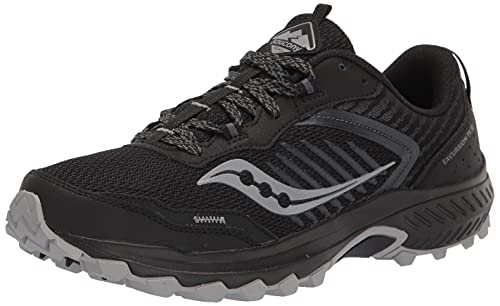

Trail running shoes trade the smooth soles of road shoes for aggressive grip, tougher uppers, and underfoot protection built for dirt, roots, and rock. This guide compares five beginner-friendly models that balance traction, comfort, and value without demanding a racer’s budget. It suits new trail runners, road runners branching off-road, and hikers who want a lighter, grippier shoe. The listings shown are men’s versions, and most models are also offered in women’s sizing, so choose the fit that matches your foot.
| Product | Standout | Price tier | Link |
|---|---|---|---|
| New Balance 410 V9 | Best-selling, cushioned, all-terrain grip | Budget | |
| Brooks Caldera 8 | Plush high-stack cushioning for long miles | Premium | |
| adidas Terrex Tracefinder 2 | Light cushioning, durable versatile build | Budget | |
| Saucony Excursion TR15 | Grippy carbon-rubber lugs, secure fit | Mid-range | |
| New Balance DynaSoft TEKTREL V1 | Responsive cushioning, locked-down feel | Mid-range | |
How to choose beginner trail running shoes
Trail shoes vary more than road shoes because trails vary so much. Focus on these points to match a shoe to your terrain and your feet.
Traction for your terrain
Grip is the defining feature of a trail shoe, but how much you need depends on where you run. Deep, aggressive lugs bite into mud, loose dirt, and steep, technical terrain, while shallower, more moderate lugs suit smoother paths, gravel, and mixed road-to-trail routes and feel less clunky on hard surfaces. Beginners often run buffed, rolling trails and the occasional road section, so a versatile all-terrain outsole with moderate lugs is usually the sweet spot. Carbon-rubber outsoles add durability and rock-solid footing. Match the aggressiveness of the tread to your typical trail, not the gnarliest one you can imagine.
Cushioning and ride
Cushioning shapes how a shoe feels underfoot and how it protects you over distance. More cushioning, a higher stack of soft foam, absorbs impact and keeps legs fresher on long or rocky runs, which many beginners appreciate as their bodies adapt to harder off-road pounding. A firmer, lower ride feels more connected to the ground and nimble on technical terrain but transmits more shock. For most new trail runners, a moderate-to-plush, comfortable midsole is the forgiving choice. Consider the distances you plan to run and pick a ride that keeps you comfortable rather than beaten up.
Protection and durability
Trails are hard on shoes and feet, so protection matters more than on the road. Reinforced overlays and durable, abrasion-resistant uppers resist scuffs from rocks and snags from brush, extending the shoe’s life. Features that shield the foot from sharp debris and secure it against sliding help avoid bruised toes and rolled ankles on uneven ground. A snug, supportive fit locks the foot in place through twists and descents. Beginners benefit especially from a protective, secure shoe that builds confidence, letting you focus on the trail ahead rather than every rock underfoot.
Fit, breathability, and drop
A good fit is the foundation of an enjoyable run. Look for a secure midfoot and heel that hold the foot steady, with enough toe room for feet to swell and splay on descents. Breathable mesh uppers keep feet cooler and help sweat escape, though very open meshes let in more dust and water. Heel-to-toe drop, the height difference between heel and forefoot, affects feel: a moderate drop suits most beginners transitioning from road shoes. Try to match the shoe’s shape to your foot, since comfort and a locked-in fit avoid blisters and missteps.
Versatility and value
As a beginner, you do not need a quiver of specialized shoes. A versatile trail shoe that handles light trails, gravel, and the road sections in between covers most early adventures and doubles for walking and hiking, stretching your money. Prices range widely, and you can find genuinely capable beginner shoes at modest cost, so there is no need to overspend before you know how much you will run off-road. Many models also use recycled materials if sustainability matters to you. Weigh how often and how far you will actually run, and buy a dependable, versatile shoe that fits your budget.
New Balance 410 V9: the best-selling beginner favorite
The most popular trail shoe here is also one of the most beginner-friendly, combining approachable comfort with a wallet-friendly price. Fresh Foam cushioning and a soft, responsive BIO Foam midsole deliver comfortable, lightweight shock absorption that keeps legs fresher on rugged ground, while an all-terrain AT Tread outsole provides confident grip across both trail and road, making it ideal for mixed routes. A breathable mesh upper with reinforced overlays balances airflow and durability, and a traditional lace-up closure lets you customize the fit for a locked-in feel on uneven terrain. Versatile enough for trail runs, walks, and light hikes, and priced for newcomers, it is an easy, sensible first trail shoe, which is exactly why it sells so well.
Pros
- Comfortable, cushioned ride
- Versatile all-terrain grip
- Breathable, durable upper
- Secure, customizable lace-up fit
- Best-selling, budget-friendly
Cons
- Moderate lugs for very technical mud
- Not a specialized racing shoe
- Cushioning is comfort-focused, not springy
Best for: new trail runners wanting a comfortable, versatile, affordable first shoe.
Brooks Caldera 8: the plush long-distance choice
For beginners who prioritize comfort and plan to build up to longer runs, the Caldera 8 brings a genuinely cushioned, protective ride. Its high-stacked, nitrogen-infused DNA LOFT v3 foam is super soft and plush, cushioning the foot from rough, rocky ground and helping legs endure the ultimate distance, so long miles feel gentler underfoot. A breathable, adaptable upper uses durable materials that resist scratching and snagging on the trail, and raised sidewalls with a widened base add security and a smooth, stable ride on uneven terrain. It is also carbon-neutral certified for the eco-minded. As the premium pick here, it rewards runners who want maximum cushioning and comfort for longer trail outings and are happy to invest a bit more.
Pros
- Plush high-stack cushioning
- Protective over rocky terrain
- Durable, snag-resistant upper
- Stable, secure ride
- Carbon-neutral certified
Cons
- Priciest here
- High stack feels less nimble on technical ground
- More shoe than short-run beginners need
Best for: comfort-focused beginners building toward longer, cushioned trail runs.
adidas Terrex Tracefinder 2: the lightweight versatile pick
The Terrex Tracefinder 2 is a light, durable all-rounder that keeps things simple and comfortable for new trail runners. A mesh and synthetic upper strikes a balance of breathability, durability, and low weight, while adidas LIGHTMOTION cushioning provides super-light comfort and a pleasant step-in feel that suits easy trail miles and walking alike. With a moderate heel-to-toe drop and a reasonable weight, it feels approachable to runners coming from road shoes, and it is made in part with recycled and renewable materials for a lighter environmental footprint. Versatile across gravel, dirt, and mixed routes, and priced affordably, it is a dependable choice for beginners who want a light, comfortable shoe from a familiar brand without overspending.
Pros
- Light, comfortable cushioning
- Breathable, durable upper
- Approachable moderate drop
- Made partly with recycled materials
- Affordable and versatile
Cons
- Moderate grip for very technical trails
- Cushioning lighter than plush models
- Simpler feature set
Best for: beginners wanting a light, comfortable, versatile everyday trail shoe.
Saucony Excursion TR15: the grippy, secure all-rounder
A longtime favorite for newcomers, the Excursion TR15 focuses on the fundamentals that build trail confidence. A rugged outsole with grippy carbon-rubber lugs delivers rock-solid footing on dirt, gravel, and loose terrain, while moderate-stack VERSARUN cushioning packs plenty of underfoot comfort for everyday runs without feeling bulky. Trail-specific mesh with supportive overlays locks the foot securely in place and protects against debris, helping avoid the slips and stubbed toes that discourage beginners. It even incorporates recycled materials for a lighter footprint. Balancing grip, protection, and comfort at a sensible mid-range price, it is a reliable, no-drama shoe that has introduced many runners to the trail and remains an easy recommendation.
Pros
- Grippy carbon-rubber lugs
- Secure, protective fit
- Comfortable moderate cushioning
- Durable trail-specific upper
- Sensible mid-range price
Cons
- Not the lightest option
- Grip tuned for general, not extreme, trails
- Traditional rather than plush ride
Best for: beginners who want dependable grip, protection, and comfort in one shoe.
New Balance DynaSoft TEKTREL V1: the responsive comfort option
The DynaSoft TEKTREL V1 offers a slightly livelier ride for beginners who want a bit more energy underfoot. Its DynaSoft midsole couples ultra-responsive performance with plush comfort, so the shoe feels cushioned yet reasonably springy on easy trails and mixed routes, and an all-terrain AT Tread outsole provides versatile traction across trail and road. A locked-down feel comes from a corded eye row and a regrind upper overlay that adds durability, keeping the foot secure through uneven ground, while a lifestyle-inspired upper design means it looks at home off the trail too. Comfortable, versatile, and easy to wear all day, it suits new runners who want responsive cushioning and a secure fit in a shoe that pulls double duty for casual wear.
Pros
- Responsive yet plush cushioning
- Versatile all-terrain grip
- Secure, locked-down fit
- Durable regrind overlay
- Doubles as casual wear
Cons
- Moderate lugs for technical mud
- Style focus over race specialization
- Mid-range price for beginners
Best for: beginners wanting a responsive, secure shoe that works for casual wear too.
The verdict
All five make capable, forgiving first trail shoes. The best one depends on your budget, your terrain, and how much cushioning you want.
Best Overall: New Balance 410 V9 – the best-selling beginner shoe that blends comfortable cushioning, versatile all-terrain grip, and a secure fit at a friendly price.
Best Value: adidas Terrex Tracefinder 2 – a light, comfortable, versatile trail shoe from a trusted brand at an affordable price, ideal for easing off-road.
Best Premium: Brooks Caldera 8 – plush high-stack cushioning and trail protection for comfort-focused runners building toward longer distances.
Frequently asked questions
Do I really need trail running shoes for light trails?
For easy, smooth trails you can sometimes get by with road shoes, but trail shoes make a real difference in grip, protection, and confidence as soon as the ground gets loose, rocky, or muddy. Their aggressive outsoles avoid the slipping that road soles suffer off-road, and tougher uppers guard against debris and snags. If you plan to run trails regularly, even light ones, a versatile trail shoe is a worthwhile investment that makes off-road running safer and more enjoyable.
How much cushioning should a beginner look for?
A moderate-to-plush, comfortable midsole suits most beginners well. Generous cushioning absorbs impact and keeps legs fresher as your body adapts to harder off-road pounding, which helps avoid early fatigue and soreness. A very firm, low ride feels nimble on technical ground but transmits more shock. Unless you are running short, technical routes where ground feel matters most, err toward a comfortable, cushioned shoe that keeps you running happily while you build strength and mileage.
What do the lugs on the outsole do?
Lugs are the raised rubber bumps on a trail shoe’s outsole, and they bite into soft ground for grip. Deeper, more aggressive lugs excel in mud and loose, steep terrain, while shallower, moderate lugs feel smoother on hard-packed trails, gravel, and road sections. Beginners running rolling, mixed trails are usually best served by moderate all-terrain lugs, which grip well off-road without feeling clunky when you hit pavement. Match the lug depth to the terrain you run most.
Can I use trail running shoes for hiking and walking?
Yes, and many people do. Trail running shoes are lighter and more flexible than hiking boots while still offering good grip and protection, making them comfortable for day hikes, walking, and everyday wear. They dry faster and feel less bulky than boots, though they provide less ankle support and durability for very heavy loads or rugged multi-day treks. For light hiking and mixed use, a versatile trail shoe is an excellent, do-it-all choice that stretches your money.
How should trail running shoes fit?
Aim for a secure hold through the midfoot and heel so the foot does not slide on climbs and descents, with enough room in the toe box for feet to swell and splay, which avoids bruised toes on downhills. A snug but not tight fit reduces blisters and gives you control on uneven ground. Try shoes on later in the day when feet are slightly larger, and match the shoe’s shape to your foot. A good fit matters more than any single feature.
This article may contain affiliate links; see our Affiliate Disclosure.