The jump from 50 pounds to 65 pounds on a cable stack is the moment a good training week quietly stalls. You finish your set of ten, the next pin position is a wall, and there is no plain way to progress except to grind the same weight for another month. That gap is not a flaw in your programming. It is a hardware problem, and it has cheap fixes.



A cable machine is only as useful as the resistance steps it can actually give you. The gear below splits into two groups: wall-mounted stations that come with a selectorized stack built in, and small steel parts that let an existing stack move in finer steps or take Olympic plates instead. Whether you are outfitting a garage from scratch, sharing a spare room with a partner who trains differently, or just trying to squeeze one more year out of the machine you already own, the deciding question is the same one: how precisely can you load it?
At a glance
| Product | Standout feature | Price tier | Link |
|---|---|---|---|
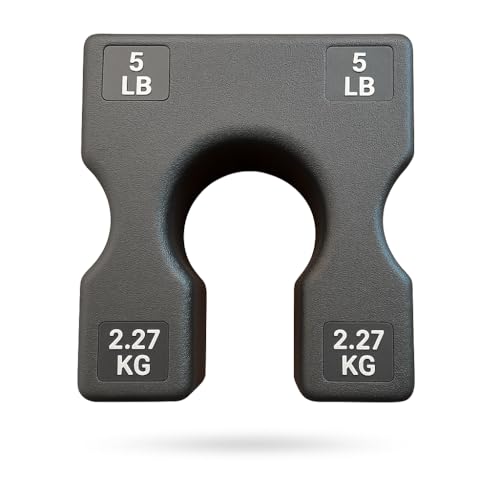
| StrengthUSA 5 lb Weight Stack Add-On | Rubber-coated steel plate; slides onto the selector pin, no tools | Budget | |
| Mikolo Wall Mount Cable Station Pro | 190 lb stack, 27 pulley positions, aluminum pulleys, 1:1 adapter | Premium | |
| Mikolo Wall Mount Cable Machine, 118 lb | Smaller stack, 19 positions, ships with lat bar, rope and handles | Premium | |
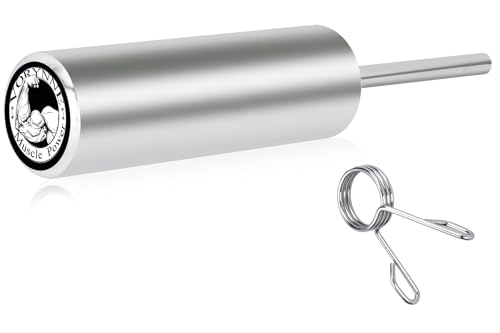
| Vorynne Weight Stack Pin Extender | Magnetic anchor; takes Olympic plates on top of the stack | Mid-range | |
| Lokyanwin Weight Plate Loading Pin | Turns a pulley into a plate-loaded station; 1″ and 2″ plates | Budget | |
How to choose between a weight stack and plate loading
Before spending anything, it helps to be clear about what the two loading systems actually trade against each other. Both move a cable. They differ in how you change the number on it.
Speed of changes
A selectorized weight stack wins here and it is not close. Pull the pin, drop it two holes down, keep going. Drop sets, supersets and any circuit where rest is measured in seconds all get easier, because the weight change costs one second and no bending over. Mikolo makes this argument directly in its own product copy, and it is the real reason stacks dominate commercial gyms: the machine is fast to share and fast to reset.
Plate loading is slower by design. You slide plates on, you slide plates off, and between exercises you are handling steel. In a busy session that friction adds up. In a quiet solo session it barely matters.
Resistance steps and where you get stuck
Here the stack loses. Most stacks step in 10 or 15 pound increments. On a lat pulldown that step may be reasonable. On a triceps pushdown, a face pull, or a cable curl, a 15 pound jump can be a 25 percent increase in load, which no sensible progression asks of you. Plate loading steps as finely as your smallest plate, which is usually 2.5 pounds or less.
This is exactly the gap that add-on plates and pin extenders exist to close. They give a stack machine plate-loaded precision without replacing the machine.
Pulley ratio, and why the number on the stack lies
Many home cable towers run a 2:1 ratio, which means a 190 pound stack feels like roughly 95 pounds at the handle. That is not a defect, it doubles your cable travel and makes long-range movements possible, but it does change how you read the machine. Both Mikolo stations include an adapter that links the two cables into a 1:1 pull, so the stack number matches what your hands feel. Check the ratio before you assume a stack is too light or too heavy for you.
Footprint and mounting
Wall-mounted stations fold the whole machine against a wall and ask for a footprint closer to a bookshelf than a squat rack. The trade is that you need real structure to bolt into, and you need to be clear about your wall. Studs, lag bolts and a level are not optional. A freestanding plate-loaded setup asks for no wall at all, but it does ask for floor space and somewhere to store plates.
Compatibility, measured not guessed
Every add-on in this group lives or dies on one measurement. Selector pins are commonly 8 mm or 10 mm, and adapter plates are often cut for a specific brand’s stack. Take a caliper or a ruler to your own machine before ordering. This is the single most common reason these parts get returned.
StrengthUSA 5 lb Weight Stack Add-On
This is the most popular item in the group by a wide margin, and the reason is unglamorous: it is a five pound answer to a fifteen pound problem. The plate slides onto the selector pin or the top of the stack, and suddenly the machine has half-steps it never had. StrengthUSA describes it as rubber-coated premium steel, sized to be carried and stored rather than left bolted on, and pairs it with a 2.5 pound version so you can build increments to suit the lift rather than the machine. For anyone whose pushdowns have been stuck at the same pin position for two months, this is the cheapest progression you can buy.
Pros
- Fits most home gym stacks; slides on with no tools
- Rubber-coated steel resists rust, scratches and chipping
- Small enough to store in a drawer or gym bag
- Stacks with the brand’s 2.5 lb plate for custom increments
Cons
- “Most” compatibility still means measuring your own pin first
- One plate only moves you five pounds; you may want a pair
- Does nothing for a machine whose stack is already too light
Best for: anyone with a working stack machine and a progression that keeps stalling on the isolation lifts.
Mikolo Wall Mount Cable Station Pro, 190 lb Stack
This is the full machine, and the specification sheet reads like someone actually trains on one. A 190 pound selectorized stack, 27 pulley height positions, dual pulleys for crossovers, and a 2-to-1 adapter that converts the pull to 1:1 so the stack reads true. Mikolo puts the footprint at roughly 28 by 30 inches, which is the entire argument for wall mounting: you get lat pulldowns, rows, crossovers and kickbacks in the space a bike would occupy. The aluminum pulleys are the detail worth noting, since the brand contrasts them with the nylon pulleys on its plate-loaded tower, and metal pulleys tend to stay smooth long after plastic has gone gritty.
Pros
- Large 190 lb stack with instant pin changes
- 27 height positions cover high, mid and low cable work
- Included adapter gives a true 1:1 pull ratio
- Aluminum pulleys and 14-gauge steel tube
- Compact wall footprint for a full function trainer
Cons
- Needs a solid wall and careful mounting; not a rental-friendly buy
- Stack steps are still coarse without add-on plates
- Premium tier, and the largest commitment here
Best for: a dedicated home gym where the cable station is the centerpiece and heavy pulldowns matter.
Mikolo Wall Mount Cable Machine, 118 lb Stack
The lighter sibling trades stack weight and pulley positions for a lower price and a smaller presence. You get 118 pounds selectorized, 19 height settings instead of 27, the same 1:1 cable adapter, and a starter kit of attachments in the box: lat bar, triceps rope and handles. That last point matters more than it sounds. Attachments bought separately can quietly add a third to the cost of a cable setup, so a machine that arrives ready to use is doing you a favor. For pressing, rowing and arm work by most trainees, 118 pounds at a true 1:1 is a genuinely useful range.
Pros
- Ships with lat bar, rope and handles; usable on day one
- Same 1:1 adapter as the larger station
- 19 positions still cover crossovers, rows and curls
- 14-gauge steel and reinforced wall brackets
Cons
- 118 lb ceiling will be outgrown for heavy pulldowns and rows
- Fewer pulley positions than the Pro station
- Wall mounting requirements are identical, so no easier to install
Best for: a spare-room gym focused on hypertrophy, arms and accessory work rather than maximal pulling.
Vorynne Weight Stack Pin Extender
The pin extender is the most interesting idea in this lineup, because it makes a stack machine behave like a plate-loaded one on demand. It replaces the standard selector pin with a longer steel shaft that accepts Olympic plates, so you select your stack weight as usual and then add plates on top of it. Vorynne rates it for up to an additional 100 pounds and uses six magnets to hold the pin against the stack block rather than relying on friction alone. It is sold in 8 mm and 10 mm slot sizes, and the listing is blunt about measuring first, which is fair warning rather than a caveat.
Pros
- Adds plate-loaded precision and headroom to a stack machine
- Magnetic retention guards against the pin walking loose
- Durable steel; rated for substantial added load
- Raises a machine’s ceiling without replacing it
Cons
- Pin diameter must match exactly; 8 mm and 10 mm are not interchangeable
- You need Olympic plates already, which many cable-only setups lack
- Loaded plates hang off the stack and need clearance to travel
- Priciest of the accessories here
Best for: a lifter who has outgrown the top of a stack but has plates sitting on a rack nearby.
Lokyanwin Weight Plate Loading Pin
This is plate loading in its purest and cheapest form: a powder-coated steel post with a carabiner, which clips to any cable, strap or rope and holds the plates you already own. It takes both 1 inch standard and 2 inch Olympic plates, the carabiner is rated to 250 pounds, and a cushion on the base protects the floor when you set it down. If your pulley system has no stack at all, or you want a second loading point for wrist rollers, grip work or a lat pulldown you rigged yourself, this is the part that makes it work. It is also the only item here that gives you truly fine steps, because your increment is whatever your smallest plate weighs.
Pros
- Fits both 1 inch and 2 inch plates
- Works with cables, straps, ropes and carabiner attachments
- Finest possible resistance steps, limited only by your plates
- Floor cushion on the base; wear-resistant powder coat
- Lowest price in the group
Cons
- 250 lb carabiner limit caps heavy pulling
- Slow to change weight compared with a pin
- Assumes you own a plate collection
Best for: converting an existing pulley into a plate-loaded station, or adding grip and accessory work cheaply.
Verdict
Best overall: the StrengthUSA 5 lb Weight Stack Add-On. It is the most popular pick here and it earns that, because it solves the problem most stack owners actually have for the least money. A machine with fine increments is a machine you can keep progressing on.
Best value: the Lokyanwin Weight Plate Loading Pin. For the cost of a couple of coffees it turns plates you already own into cable resistance, at any increment you like.
Best premium: the Mikolo Wall Mount Cable Station Pro. The 190 lb stack, 27 positions and aluminum pulleys make it the one machine here that will not be outgrown quickly. Pair it with a 5 lb add-on and it stops having a weak point at all.
If the 190 lb station is more machine than your wall or your training needs, the 118 lb Mikolo is the sensible step down, and it arrives with the attachments you would otherwise buy anyway.
Frequently asked questions
Is a weight stack or a plate-loaded cable machine better?
Neither is better in the abstract. Stacks change weight in a second, which suits drop sets, supersets and shared gyms. Plate loading gives finer increments and a higher ceiling for less money, at the cost of handling steel between sets. Many home setups end up doing both: a stack for speed, plus an add-on plate or loading pin for precision.
Why does a 190 lb stack feel like less than 190 pounds?
Most home cable towers use a 2:1 pulley ratio, which halves the load at the handle and doubles the cable travel. Both Mikolo stations include an adapter that links the cables for a true 1:1 pull, so the stack number matches what you feel. If a machine seems suspiciously light, check its ratio before blaming the stack.
Will an add-on plate fit my machine?
Only if the pin diameter and the stack design match. Add-on plates are commonly cut for 8 mm or 10 mm selector pins, and some are made for one manufacturer’s stacks specifically. Measure your pin with a ruler or caliper before ordering. This one check avoids most disappointment.
How much weight do I actually need on a cable machine?
Less than people expect for isolation work and more than they expect for pulling. Triceps, biceps, rear delts and face pulls rarely need more than a moderate stack, but lat pulldowns and seated rows will climb. If pulldowns are central to your training, buy the bigger stack. If cables are your accessory tool after barbell work, a lighter stack with fine increments is the smarter setup.
Can I add plates to a stack safely?
With a purpose-built pin extender, yes, provided the diameter is correct and the loaded plates have room to travel through the machine’s full range. Do not improvise with a longer bolt or leave plates unsecured on top of a stack. The extender’s magnetic retention exists precisely because an unsecured plate on a moving stack is a genuine hazard.
This article may contain affiliate links; see our Affiliate Disclosure.