A dropped glass of juice and a workshop floor full of sawdust and rainwater are both “wet-dry” jobs, and almost nobody wants the same machine for both. That single split explains why cordless wet-dry vacuums look so wildly different from one another.


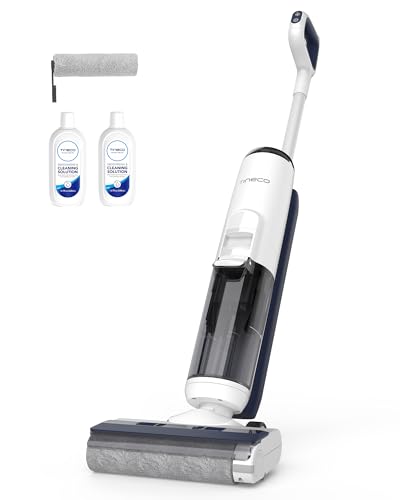
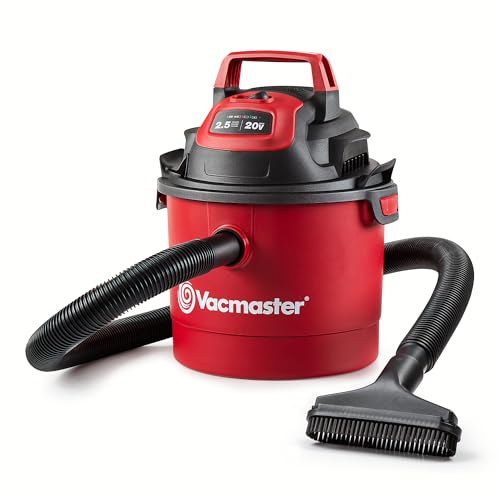
“Cordless wet-dry vacuum” covers two genuinely different machines. One is a battery shop vac: a tank, a hose, and enough suction to pull water out of a flooded pipe or ash out of a grate. The other is a hard-floor washer that vacuums and mops in a single pass, with separate clean and dirty water tanks. Both are compared here, because the phrase sells both, and buying the wrong one is the most expensive mistake in this category.
At a glance
| Product | Type and standout feature | Price tier | Link |
|---|---|---|---|
| Shark VACMOP (VM252) | Floor cleaner; vacuum plus on-demand spray, disposable pads | Budget | |
| DEWALT 20V MAX Shop Vac (DCV580H) | Shop vac; HEPA-rated filter, 2-gallon tank, tool only | Mid-range | |
| Bissell CrossWave Turbo (3888A) | Floor washer; handles sealed hard floors and area rugs | Mid-range | |
| Tineco iFLOOR 5 Breeze Complete | Floor washer; hands-free self-cleaning, edge cleaning | Premium | |
| Vacmaster 2.5-Gallon 20V (DVOM202P) | Shop vac; largest tank here, converts to blower | Budget | |
How to choose a cordless wet-dry vacuum
First decide: pick up a mess, or wash a floor
A shop vac sucks. That is the whole design: a motor, a tank, and a hose you point at whatever went wrong. It will lift water, nails, sawdust, broken glass, and gravel, and it does not care what the surface is. It will not clean a floor. Run one over sticky kitchen tile and you get dry tile with the sticky part still attached.
A floor washer scrubs. It puts down clean water and solution, agitates with a roller or a pad, and lifts the dirty water back into a separate tank in the same pass. It leaves a floor genuinely washed and nearly dry. It will not survive a bucket of gravel or a shard of glass, and it is useless in a car footwell or a gutter.
People who want both usually end up owning both, and that is a fair outcome. What does not work is buying a floor washer for garage duty, or expecting a shop vac to replace a mop.
Batteries: the “tool only” trap
Two of the machines here are sold bare. The DEWALT and the Vacmaster ship without a battery or charger, which is a bargain if a matching 20V pack is already on the shelf and a nasty surprise if not. Adding a battery and charger can cost more than the vacuum. Floor washers, by contrast, come with a built-in cell and a charger in the box, so the listed price is the price. Check which model you are looking at before comparing anything else, because it distorts every other comparison.
Tank size, and why small is normal
Battery shop vac tanks run small, typically two to two and a half gallons. That is not a flaw so much as physics: a bigger tank means a heavier machine and a battery that dies faster. Two gallons is enough to empty a toilet or a clogged trap, which is the benchmark worth remembering. Floor washers carry even less water, because they only need enough to wet a roller, and the dirty tank fills faster than the clean one empties.
Filters decide what you can safely vacuum
Fine dust is where cheap vacuums fail and then blow the dust back at you. A HEPA-rated filter traps the fine particles that matter for drywall dust, sanding, and ash. Washable, reusable filters save money over the life of the machine. Whatever the filter, wet pickup and fine dry dust do not mix well in sequence: a filter caked with damp dust chokes suction, so a rinse and a full dry between jobs is not optional.
Pads and rollers are the running cost
Floor washers split into two schools. Disposable pads mean no rinsing, no drying, and no smell, but you buy pads forever. Washable rollers cost nothing per use but must be cleaned and dried after every job, or they turn sour within days. Self-cleaning cycles exist to solve exactly that, and on machines that have one it is the feature most likely to keep the thing in service.
Shark VACMOP Cordless Hard Floor Cleaner
The best seller of this group wins by taking the annoying part out of mopping. A disposable pad clips on, the vacuum pulls loose debris into a dirt chamber built into that same pad, and a button sprays cleaning solution exactly where a stubborn mark is. When you are done, another button drops the pad in the bin without your hand ever touching it. There is no dirty water tank to empty, no roller to rinse, and nothing to leave drying on a radiator. It is light, it has LED headlights that genuinely find crumbs under cabinets, and the starter kit includes pads and solution.
- Pros: Vacuums and spray mops in one pass; debris locks into the disposable pad instead of clogging the machine; no-touch pad disposal; on-demand spray for targeted stains; LED headlights; light and easy to move between rooms; the least expensive machine here and battery included.
- Cons: Pads are an ongoing purchase and the machine is built around them; hard floors only; a spray-and-wipe pad cannot scrub like a wet roller; no tank means no big spill pickup.
Best for: Kitchens and hard floors that need frequent quick cleans, where the barrier is effort rather than deep dirt.
DEWALT 20V MAX Cordless Shop Vac
This is the machine for when something has gone properly wrong. The two-gallon tank is sized, in the maker’s own framing, to empty a toilet or a clogged pipe, which tells you the intended day. The filter is HEPA rated at 99.97% efficiency down to 0.3 microns, so it belongs on drywall dust and sanding debris rather than just chunky mess, and it is washable and reusable rather than a consumable. The hose is a crush-resistant five-foot run, accessories store on board, and a mounted handle means it travels to the car, the garage, or a roof gutter without complaint. It is sold as a bare tool.
- Pros: HEPA-rated filtration suitable for fine dust; two-gallon tank handles serious water; washable, reusable, easily accessed filter; heavy-duty crush-resistant hose; on-board accessory storage and carry handle; three-year limited warranty; works anywhere a cord will not reach.
- Cons: Battery and charger sold separately, which changes the real cost sharply if you are not already in the 20V system; will not wash a floor; two gallons fills fast on a big spill.
Best for: Workshops, car interiors, and anyone already holding 20V batteries who wants dust-safe pickup.
Bissell CrossWave Turbo
The CrossWave’s trick is that it does not stop at hard floors. Tile, sealed wood, laminate, linoleum, rubber mats, pressed wood, and area rugs are all on the approved list, which makes it the one machine here that can cross from a kitchen onto a living room rug without being swapped out. Two-tank technology keeps clean water and formula away from the dirt it lifts, so you are never pushing gray water around. The filter is handled to resist odors, which is the standard failure mode of any machine that stores dirty water. Bissell also puts a share of every purchase toward its pet foundation.
- Pros: Vacuums and washes simultaneously; the widest surface list here, including area rugs; two-tank system separates clean water from dirty; antimicrobial-coated filter to fight odors; faster than a mop and bucket on the same floor; battery included.
- Cons: Sealed floors only, so unsealed wood is out; the roller and tanks need cleaning after use; not a debris or spill machine in the shop vac sense; heavier to push than a pad mop.
Best for: Mixed-surface homes where hard floors meet rugs and both need washing.
Tineco iFLOOR 5 Breeze Complete
Tineco went after the two things that kill floor washers: dirty rollers and fiddly manual maintenance. A flat scraper runs against the roller as it turns, clearing debris and wringing dirty water out, so the roller meeting your floor is clean rather than progressively filthier. When the job is done, one press starts a hands-free self-cleaning cycle that flushes rollers and tubing and then spin-dries the roller so it stores dry instead of souring. The brush head reaches edges as narrow as 0.20 inches, which is the difference between a washed floor and a washed floor with dirty baseboards. Dual tanks are noticeably larger than the previous series.
- Pros: Flat scraper keeps the roller clean mid-job; hands-free self-cleaning with centrifugal roller drying; excellent edge and corner reach; enlarged dual tanks for bigger areas without a refill; leaves floors dry and streak-free quickly; one-step vacuum and mop on sealed hard floors.
- Cons: The most expensive machine here; sealed hard floors only; the filter needs cleaning monthly to keep it working properly; no use for garage or workshop mess.
Best for: Large hard-floor areas cleaned often, by someone who will not tolerate rinsing a roller by hand.
Vacmaster 2.5-Gallon 20V Cordless Wet/Dry Vac
The Vacmaster is the pragmatist’s shop vac. It carries the biggest tank in this comparison at two and a half gallons, converts to a blower when you would rather move leaves or sawdust than collect them, and mounts on a wall so it is not eating garage floor space. Six accessories come along, including a crevice tool, and hose, cord, and attachments all store on the body rather than in a drawer somewhere. It runs on a 20V battery for full mobility, and like the DEWALT it is a bare tool in a small package.
- Pros: Largest tank of the group; converts to a blower, which doubles its usefulness outdoors; wall-mount storage frees floor space; six accessories including a crevice tool; on-board storage for hose, cord, and tools; strong suction for its size and price.
- Cons: Battery and charger not included; no HEPA-rated filtration specified, so it is a weaker choice for fine dust; a floor washer it is not.
Best for: Garages and sheds needing a compact vac and blower in one, on an existing 20V battery.
Verdict
Best Overall: Shark VACMOP. It is the runaway best seller here, and the logic is sound: it is the cheapest machine in the group, the battery is in the box, and it removes every excuse not to mop. Debris locks into the pad, the pad goes in the bin untouched, and there is no tank or roller to maintain. It is not the most capable machine listed, but it is the one most likely to be used weekly rather than resented.
Best Value: Vacmaster 2.5-Gallon 20V. For anyone already holding 20V batteries, this is the most capability for the least outlay: the biggest tank here, a blower mode, wall mounting, and six accessories. Without a battery on hand the maths changes, and the Shark takes this slot instead.
Best Premium: Tineco iFLOOR 5 Breeze Complete. The self-cleaning cycle and the roller scraper solve the real reasons floor washers get abandoned in cupboards. Add proper edge cleaning and enlarged tanks and it is the most complete hard-floor machine in the comparison.
One honorable mention: if fine dust is in your future, the DEWALT DCV580H is the only machine here with HEPA-rated filtration, and that alone decides it for sanding and drywall work.
Frequently asked questions
Can a shop vac pick up water safely?
Yes, that is what the wet-dry label means. The important part is following the machine’s instructions: most require the dry filter to be removed or swapped before wet pickup, and the tank must be emptied and dried afterwards. Leaving water sitting in a tank is how vacuums start to smell.
Will a floor washer work on carpet?
Generally no. The CrossWave is rated for area rugs, which is the exception in this group, and even then it is washing a rug rather than deep-cleaning carpet. Wall-to-wall carpet needs a carpet cleaner. Machines rated for sealed hard floors should stay on sealed hard floors.
How long do the batteries last?
Long enough for a room, not a whole house, and that is true across the category. Runtime depends on the pack: a bare-tool shop vac with a large-capacity battery runs considerably longer than the same tool on a compact pack. Wet pickup and high-power modes drain cells faster than dry vacuuming.
Is “tool only” worth it?
Only if you already own matching batteries. The saving is real for someone with a drill, a driver, and two spare packs sitting on a charger. For a first battery tool, adding a pack and a charger usually pushes the total past a comparable all-in-one machine.
Do I still need a broom?
For floor washers, less than you would think, since the one-step designs vacuum debris as they wash. For heavy grit, sweeping first still saves the roller or pad from doing work it is not built for. With a shop vac, the hose has already replaced the broom for anything you would rather not bend down for.
This article may contain affiliate links; see our Affiliate Disclosure.