Read these listings together and one phrase keeps appearing: suitable for every sleep position. That sounds generous and it is really a way of not answering. Side sleeping asks a mattress to do something specific and slightly awkward: let the shoulder and hip sink further than the waist, so the spine stays straight rather than bending. A surface that snacks all three positions identically cannot do that, by definition.
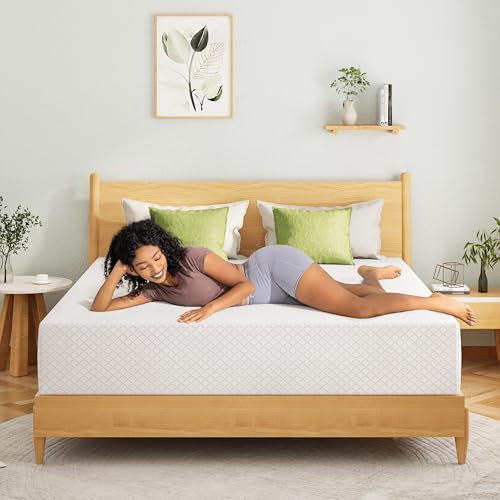
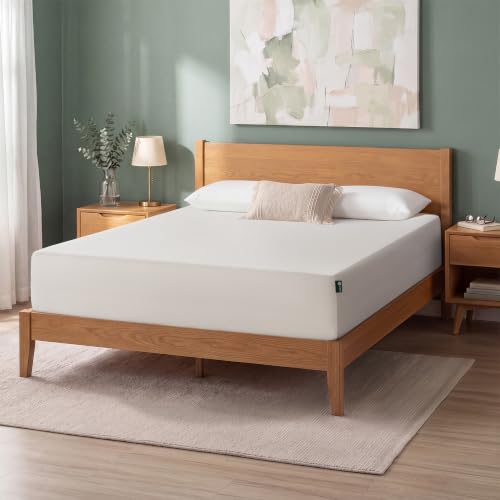

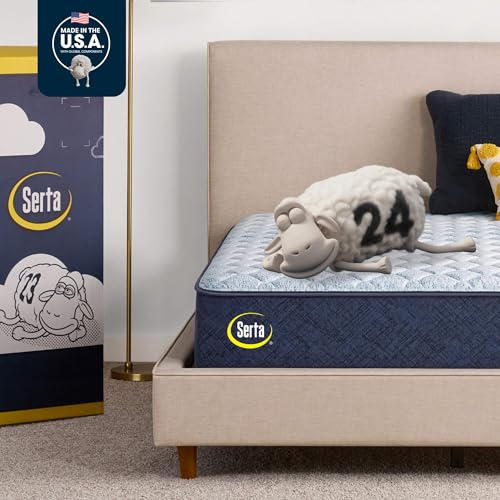

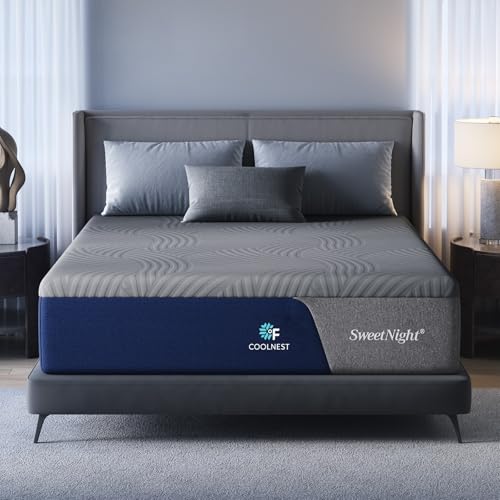

The good news is that the answer is on the listings, just not in the headline. It is called zoning, and it means the mattress is built to respond differently under your shoulders than under your waist. Four mattresses here do it. One of them names the shoulder outright, and it is the worst-selling thing on the page.
At a glance
| Mattress | Standout feature | Price tier | Link |
|---|---|---|---|
| EGOHOME 12 Inch | The best seller here by a distance | Budget | |
| Zinus 12 Inch | Zoned relief; states a medium firm feel | Budget | |
| Novilla Bliss | CertiPUR-US foam and reinforced edges | Budget | |
| Serta Sleeptrue | Hybrid with 3 zones over wrapped coils | Mid-range | |
| BedStory 14 Inch | The only one that names the shoulder | Mid-range | |
| Sweetnight CoolNest | Five zones; the finest zoning here | Mid-range | |
| Nectar Classic | Names what is not in it, fiberglass included | Premium | |
How to choose a mattress for side sleeping
Zoning is the only feature that addresses side sleeping directly
On your side, your shoulder and hip are the widest parts of you and they carry your whole weight through a small area. If the mattress pushes back evenly everywhere, those two points stay high and your waist drops, and your spine curves sideways all night. Zoning is the fix: the surface is built softer where the shoulder lands and firmer under the waist. Zinus describes patented zoned relief where different areas respond differently. Sweetnight builds five zones. Serta uses three. BedStory targets the lumbar and the shoulder by name. Everything else here is one uniform slab described as suitable for everyone.
Watch for the word shoulder
Of everything on this page, exactly one listing says it: BedStory, offering targeted lumbar and shoulder support. That is the side sleeper’s actual pressure point named out loud, and it is the difference between a mattress designed for you and a mattress that will accommodate you. The rest talk about pressure relief in general, which every foam mattress provides to some degree. When a brand names the body part, it has thought about the position.
Half of these will not tell you how firm they are
For a side sleeper this is the headline specification, because a firm surface holds the shoulder up and a soft one lets it in. Four mattresses here commit: Zinus says medium firm, Nectar says medium firm, Serta says medium, BedStory says medium firm. The others say nothing at all about feel, which on a mattress is a strange thing to omit. Medium firm is the sensible default for a side sleeper who also rolls onto their back. If you sleep exclusively on your side and you have broad shoulders, medium firm is the firm end of what will work.
Thickness is depth for the shoulder to sink into
It is not vanity. Above the support core, every mattress has comfort foam, and that layer is what the shoulder actually sinks into. A 10-inch mattress has less of it than a 14-inch one, so there is less room before you reach the firm base. BedStory and Sweetnight are 14 inches; most of the rest are 12; EGOHOME also sells its best seller in a 10-inch version for less. For a heavier side sleeper especially, the extra inches are the ones doing the work.
Hybrid or all-foam
Foam contours and springs support, and a hybrid tries to do both. Serta and BedStory both use individually wrapped pocket springs under the foam, which means each coil moves alone and the surface can flex under a shoulder while staying firm two inches away. That is the same idea as zoning, in metal. All-foam is quieter and isolates movement better, which Novilla and Sweetnight both build around. Neither is wrong. Springs give side sleepers a more locally responsive surface; foam gives a more forgiving one.
Check what is in the foam
Novilla states CertiPUR-US certification, which is an independent program covering what foam is made without. Nectar goes further and lists it plainly: no ozone depletors, no mercury, no lead, no formaldehyde, no phthalates, and fiberglass free, which is a specific and unusually direct thing to put on a listing. Where a mattress says nothing about its foam content, that is not evidence of a problem, and it is a gap where two brands here have chosen to be explicit.
EGOHOME 12 Inch
The best-selling mattress here by an enormous margin, and the cheapest 12-inch on the page. It is patented memory foam with green tea gel for cooling, built with a bubble-hole structure for breathability, and EGOHOME says the molecular structure is stable across temperature so it does not go rock hard on a cold night, which is a real memory foam complaint plainly addressed. It contours closely to the body’s curve. What it does not do is zone, and its claim of suitable support for everyone and all sleep positions is exactly the phrase a side sleeper should read carefully. A 10-inch version sells for less.
Pros:
- Comfortably the best-selling mattress here
- Cheapest 12-inch on this page
- Foam stays consistent rather than firming up when cold
- Green tea gel and an open bubble structure for cooling
Cons:
- No zoning; one uniform surface for every position
- No firmness rating published at all
- All sleep positions means no position in particular
Best for: the cheapest well-liked foam mattress, if you also sleep on your back.
Zinus 12 Inch
The cheapest mattress here that is actually zoned. Zinus describes patented zoned pressure relief where different areas of the mattress respond differently, which is the mechanism a side sleeper needs, and it states a medium firm feel rather than leaving you guessing. Green tea extract and purified charcoal are infused to neutralize odors, which matters more on foam than people expect, and a breathable knitted cover sits over a durable base. It absorbs movement well, so a restless partner stays their problem. It is the second best-selling mattress on this page.
Pros:
- Zoned pressure relief; different areas respond differently
- States a medium firm feel, which many here do not
- Second best seller here; a well-known name
- Green tea and charcoal against odors; breathable knit cover
Cons:
- 12 inches; less comfort depth than the 14-inch mattresses
- All-foam, so no locally responsive springs
- Zones are not described or counted
Best for: zoning and a stated firmness, at the low end of the money.
Novilla Bliss
A three-layer gel foam build with the two features nobody else at this price bothers with. The first is reinforced edge support, which is the part of a mattress that decides whether you can sit on the side to put your socks on without sliding off, and which cheap foam mattresses almost always skip. The second is CertiPUR-US certification, an independent program covering what the foam is made without. A soft breathable knit cover sits on top and the triple-layer construction absorbs a partner’s movement well. It is not zoned, and it is clear about being a general-purpose mattress.
Pros:
- Reinforced edge support; rare at this price
- CertiPUR-US certified foam
- Three-layer build isolates a partner’s movement
- Breathable knit cover
Cons:
- No zoning; a uniform surface
- No firmness rating stated
- Sells well behind the two cheap best sellers
Best for: certified foam and edges you can sit on, in a general mattress.
Serta Sleeptrue
The cheapest hybrid here, and hybrids suit side sleeping for a mechanical reason: individually wrapped coils move alone, so the surface can give under a shoulder while staying firm under the waist a few inches away. Serta layers three support zones on top of those custom wrapped coils, and states a medium feel, which is the softer end of what most side sleepers want and useful information either way. Cool Twist gel is swirled into the memory foam rather than sitting in a layer, and a soft breathable cover promotes airflow. An established name at a sensible price.
Pros:
- Cheapest hybrid here; coils respond locally under a shoulder
- Three support zones stated
- States a medium feel
- Gel swirled through the foam; established brand
Cons:
- Three zones against Sweetnight’s five
- 12 inches; less comfort depth than the 14-inch options
- Sells poorly for a well-known name
Best for: spring support under a shoulder, without paying hybrid prices.
BedStory 14 Inch
The only mattress on this page that says the word. Targeted lumbar and shoulder support names the exact two places a side sleeper’s weight concentrates, and naming them is what separates a mattress designed around the position from one that will tolerate it. The construction backs it up: hundreds of stainless individual pocket springs under multi-layer foam, so the surface responds locally rather than as a slab, at 14 inches, which is the deepest here and gives a shoulder somewhere to go. Medium firm is stated. A skin-friendly breathable knit finishes it. It sells worse than anything else on this page.
Pros:
- The only listing here naming shoulder support
- 14 inches; the most comfort depth on this page
- Hundreds of individual pocket springs; locally responsive
- States a medium firm feel
Cons:
- By far the worst-selling mattress here
- Zones are named but not counted
- No foam certification stated
Best for: side sleeping specifically, which is what it was built around.
Sweetnight CoolNest
Five zones, which is the finest division on this page and the mechanism that matters most here. More zones means the transition from soft under the shoulder to firm under the waist happens in smaller steps, so the spine follows a smoother line rather than three coarse steps. It is 14 inches deep, giving a shoulder real room. The cooling is the most engineered here too: a PCM cover using 3D-woven ventilation pores, which is a genuine technology rather than a gel color. Multiple foam layers isolate movement well. It is also sold as a King, and it states no firmness at all.
Pros:
- Five zones; the finest zoning on this page
- 14 inches deep for the shoulder to sink into
- PCM cover with 3D-woven ventilation; real cooling technology
- Multiple foam layers isolate a partner’s movement
Cons:
- No firmness rating stated, which is the key side-sleeper number
- All-foam; no springs under the shoulder
- The King listing costs more; check which size you are viewing
Best for: the smoothest zoning available here, in a deep all-foam bed.
Nectar Classic
The most expensive mattress here and the most forthcoming about its contents. Nectar lists what is not in it: no ozone depletors, no mercury, no lead, no formaldehyde, no phthalates, and fiberglass free, stated plainly rather than left to a certification logo. It is medium firm, which it states, with a contouring memory foam body and a cooling top layer, and Nectar names the three-layer combination as its sleep system. Setup is the usual unbox and unroll. On position it takes the familiar line, offering support for side, back and stomach sleepers alike, which is the sentence this page exists to question.
Pros:
- Lists its foam contents plainly, fiberglass included
- States a medium firm feel
- Contouring memory foam with a cooling top layer
- Simple unbox-and-unroll setup; a well-known brand
Cons:
- The most expensive mattress here by a wide margin
- No zoning; the same surface for every position
- 12 inches, where cheaper rivals give 14
Best for: knowing exactly what is in the foam you sleep on.
The verdict
Suitable for all sleep positions is the phrase to be wary of here. It appears on the best sellers and on the most expensive mattress on the page, and it describes a uniform surface. Side sleeping needs the opposite: give under the shoulder, firmness under the waist.
Best overall: BedStory 14 Inch. The only mattress here that names the shoulder, and naming it is the difference between designed for the position and tolerant of it. Behind the words sits the build to match: hundreds of individual pocket springs so the surface flexes locally rather than as a slab, 14 inches of depth so a shoulder has somewhere to go, and a stated medium firm feel. It sells worse than anything else on this page, which tells you about buyers rather than the bed.
Best value: EGOHOME 12 Inch. The best seller here by an enormous margin and the cheapest 12-inch on the page, with foam that stays consistent instead of firming up on a cold night. It is not zoned, and its promise of support for everyone in all positions is exactly what this page is about. If you sleep on your side and your back in equal measure, it is a great deal; if you are strictly a side sleeper, spend the difference on zoning.
Best premium: Nectar Classic. The one that tells you what you are sleeping on: no ozone depletors, mercury, lead, formaldehyde or phthalates, and fiberglass free, spelled out rather than implied by a logo. Medium firm is stated, the memory foam contours, and the top layer is built to run cool. It has no zoning and it is 12 inches where cheaper rivals give 14, and what you are paying for is transparency and a name.
FAQ
What actually makes a mattress good for side sleepers?
Zoning. On your side, your shoulder and hip carry your weight through a small area, so the surface has to give there while staying firm under your waist, or your spine bends sideways all night. Zinus, Serta, Sweetnight and BedStory all zone. The rest are one uniform surface described as suiting everyone.
How firm should it be?
Medium firm suits most side sleepers who also roll onto their back, and it is the firm end of what works if you sleep strictly on your side with broad shoulders. Zinus, Nectar and BedStory all state medium firm; Serta states medium. Several here state nothing at all, which on a mattress is a strange omission.
Does thickness matter?
Yes, because the comfort layer above the support core is what your shoulder sinks into. A 10-inch mattress has less of it than a 14-inch one before you reach the firm base. BedStory and Sweetnight are 14 inches; most of the rest are 12.
Hybrid or all-foam?
Hybrids put individually wrapped springs under the foam, so each coil moves alone and the surface can give under a shoulder while staying firm nearby, which suits side sleeping. All-foam contours more forgivingly and isolates a partner’s movement better. Serta and BedStory are the hybrids here.
What is CertiPUR-US and does it matter?
It is an independent program covering what foam is made without. Novilla states it. Nectar skips the logo and lists the exclusions directly, fiberglass included. Silence elsewhere is not evidence of a problem, and two brands here chose to be explicit where the rest did not.
This article may contain affiliate links; see our Affiliate Disclosure.