The difference between a leathery pie crust and a flaky one often comes down to the pin in your hand and how evenly it rolls. Pick the right style and dough stops fighting you, spreading smooth, even, and exactly as thick as you want.
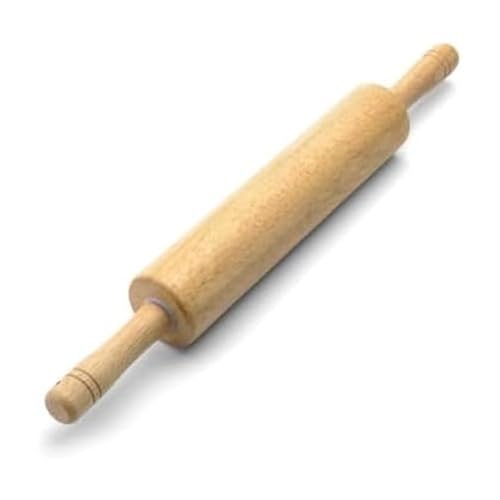
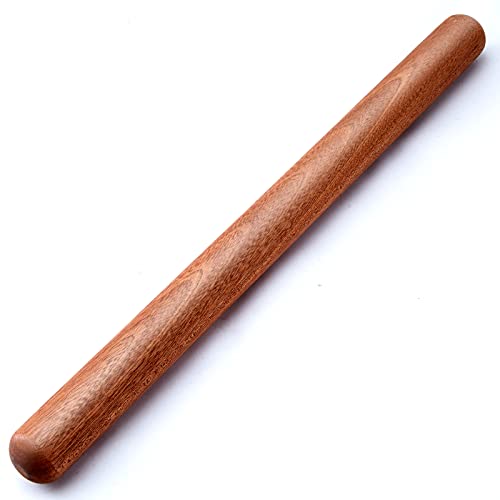


The best rolling pin matches your baking and your grip: a handled pin for reassuring control, a French tapered pin for feel and finesse, marble for keeping pastry cold, or an adjustable pin that dials in a precise thickness. Whether you roll the occasional pizza or turn out cookies by the tray, there is a pin here that makes it easier.
| Rolling Pin | Standout features | Price | Link |
|---|---|---|---|
| Farberware Classic Wood Rolling Pin | 18-inch hardwood, ergonomic handles, balanced 10-inch barrel | Budget | |
| Aisoso French Tapered Rolling Pin | 17.7-inch solid wood, tapered ends, polished no-paint finish | Budget | |
| BIDFUL Adjustable Rolling Pin | Stainless steel with four thickness rings for exact, even dough | Mid-range | |
| Amazon Basics French Rolling Pin | 17-inch tapered acacia wood, nonstick polished surface, FSC-certified | Budget | |
| GoodCook Classic Wood Rolling Pin | One-piece hardwood barrel, nylon bearing handles, made in USA | Budget | |
The price column shows a general tier only. Prices move often, so tap a link for the live figure on Amazon.
How to choose a rolling pin
Rolling pins split into a few clear styles, and the right one depends on what you bake and how you like to work. Here is how to decide, including where marble fits in.
Handled, French, or a rod
Handled pins, also called American style, have a thick barrel that spins on an axle between two handles, giving reassuring control and a familiar feel that suits most bakers. French pins are a single tapered rod with no handles, prized for direct dough feel and easy pivoting to roll rounds, though they take a little practice. Straight rod pins sit in between. If you want confidence and ease, choose handled; if you want finesse and feel, choose French.
Wood versus marble versus metal
Wood is the classic: warm to the touch, gentle on dough, lightweight, and forgiving, which is why most pins here are wooden. Marble is heavy and stays cold, so it keeps butter in pastry and pie dough firm and helps flatten stubborn dough with its own weight, a real advantage for laminated and shortcrust baking, at the cost of weight and price. Stainless steel, as on the adjustable pin, is smooth, rust-resistant, and can be chilled like marble. Match the material to what you bake and how warm your kitchen runs.
Adjustable thickness rings
If even thickness matters to you, a pin with removable thickness rings is transformative. The rings raise the pin to a set height so dough rolls to a precise, uniform depth every pass, which bakes evenly and looks professional, invaluable for cutout cookies, fondant, and pastry. Remove the rings and the same pin works normally. Bakers who fret over one edge coming out thicker than the other will find this feature alone worth choosing.
Size and length
Longer pins, around 17 to 18 inches, roll bigger sheets of dough in fewer passes, handy for pie crusts, pizza, and pastry, while shorter pins are easier to steer for small jobs and store in tight drawers. Consider the diameter of the barrel too: a wider barrel covers more dough per roll. For most home baking a 17 to 18-inch pin is a versatile length, and every pin here sits in that practical range.
Care and maintenance
Wooden pins should be hand washed, never soaked or put in the dishwasher, dried promptly, and handled occasionally with food-grade mineral oil to keep the wood smooth and protected. Marble is wiped clean and can be chilled before use. Stainless steel simply wipes down and resists rust. Whatever the material, a light dusting of flour, or chilling the pin, helps stop dough sticking, and storing the pin dry keeps it ready for next time.
Farberware Classic Wood Rolling Pin (Best Overall)
The best seller is the familiar handled wooden pin, and it stays popular because it simply works for almost everyone. Built from moisture-resistant hardwood, its 10-inch barrel and balanced weight glide over dough without sticking or dragging, spreading pizza, pie crust, cookies, pastry, and bread to an even thickness. The ergonomic comfort-grip handles give steady control and reduce hand fatigue during longer baking sessions, and the even end-to-end weight makes consistent pressure easy. Care is minimal: wipe clean and handle occasionally with food-grade mineral oil. For a dependable all-round pin, it is the natural starting point.
Pros
- Comfortable handles give steady control
- Balanced hardwood barrel rolls evenly
- Handles all dough types, from pastry to bread
- Reduces hand fatigue on longer sessions
- Simple care with an occasional oiling
Cons
- Handled pins offer less direct dough feel
- Wood needs hand washing and oiling
- Fixed diameter, no thickness guides
Best for: most home bakers who want a comfortable, do-everything handled pin.
Budget tier. Check price on Amazon
Aisoso French Rolling Pin
The Aisoso is a French-style pin, a single tapered wooden rod with no handles, favored by bakers who want to feel the dough directly through the pin. Made from natural solid wood with no paint, wax, or burrs, it is finely polished and sanded for a smooth, comfortable surface and a non-stick roll. At 17.7 inches with tapered ends, it pivots easily to roll dough into rounds, which suits pie crust, fondant, cookies, pizza, and pasta. The rounded ends even double for light tasks like crushing garlic or spices. For finesse and a traditional feel, it is a low-cost favorite.
Pros
- Direct dough feel with no handles
- Tapered ends pivot for easy rounds
- Smooth, finely polished natural wood
- No paint or wax, non-stick surface
- Doubles for crushing garlic or spices
Cons
- Takes practice for even pressure
- No handles for those who prefer them
- Wood needs hand washing and drying
Best for: bakers who want the control and feel of a traditional French tapered pin.
Budget tier. Check price on Amazon
BIDFUL Adjustable Rolling Pin with Thickness Rings
The BIDFUL solves the guesswork of even thickness with removable rings. This 17-inch stainless steel pin comes with four ring sizes, from about 1/16 to 3/8 inch, that clip onto the ends so the pin rides at a set height and rolls dough to a precise, uniform thickness every time, ideal for cutout cookies, fondant, and pastry that needs to bake evenly. Remove all the rings and it works as a plain straight pin. Stainless steel resists rust far better than aluminum, stays smooth so dough does not tear, and it wipes clean without attracting flour. The thin rings even suit small, single-portion batches.
Pros
- Four thickness rings for precise, even dough
- Doubles as a plain straight pin
- Smooth stainless steel resists tearing
- Rust-resistant and easy to wipe clean
- Great for cookies, fondant, and pastry
Cons
- Metal can warm dough faster than wood
- Rings are small parts to keep track of
- Cool feel some bakers dislike
Best for: decorators and cookie bakers who want an exact, repeatable dough thickness.
Mid-range tier. Check price on Amazon
Amazon Basics Wooden French Rolling Pin
For a no-fuss French pin at a low price, the Amazon Basics option delivers the essentials in attractive acacia wood. The tapered design offers the control that fans of French pins prize, letting you pivot and steer dough into even rounds for pizza, pie, and pastry, while the smooth, polished surface keeps dough from sticking for an effortless roll. At 17 inches it is a practical length for standard baking tasks, and the acacia grain gives it a handsome look on the counter. It is hand wash only to preserve the wood, and the wood is FSC-certified from responsibly managed sources.
Pros
- Tapered French design for good control
- Handsome acacia wood grain
- Smooth, nonstick polished surface
- Practical 17-inch length
- FSC-certified responsibly sourced wood
Cons
- Hand wash only, no soaking
- No handles or thickness guides
- Tapered style takes some practice
Best for: budget bakers who want a good-looking, capable French tapered pin.
Budget tier. Check price on Amazon
GoodCook Classic Wooden Rolling Pin with Bearings
The GoodCook is a straightforward handled pin with a smooth-rolling advantage: genuine hardwood on nylon bearings, so the barrel spins freely while your hands stay steady on the handles. That easy-roll action helps you keep consistent pressure across the dough with less effort, which is welcome when you are working through a big batch of cookies or pie dough. It is a simple one-piece barrel design, made in the United States, that keeps things classic and reliable. For bakers who like handles and a free-spinning barrel at a budget price, it is a solid, unfussy pick.
Pros
- Nylon bearings for a free-spinning barrel
- Handles keep hands steady while rolling
- Solid one-piece hardwood construction
- Easy, low-effort consistent pressure
- Made in the USA at a budget price
Cons
- Bearings mean more parts than a plain pin
- Wood needs hand washing and oiling
- Fixed diameter, no thickness guides
Best for: bakers who like handled pins and a smooth, free-spinning roll for big batches.
Budget tier. Check price on Amazon
The verdict
Best overall
The Farberware Classic is the best seller and the pin most bakers will be happiest with. Its comfortable handles and balanced hardwood barrel roll evenly across every dough type, control is easy and fatigue-free, and care is minimal. For a reliable, do-everything rolling pin at a budget price, it is the obvious pick. Check price on Amazon
Best value
The Amazon Basics French pin gives you a genuine tapered pin in handsome acacia wood for very little. It offers the control French-pin fans want, a smooth nonstick surface, and responsibly sourced wood. If you want to try the French style or just need a capable pin cheaply, it is the value choice. Check price on Amazon
Best premium
The BIDFUL adjustable pin is the standout for precision. Four thickness rings roll dough to an exact, even depth every time, then come off to leave a plain stainless pin. For cookie decorators, fondant work, and anyone who wants pastry that bakes evenly, its repeatable results justify the step up. Check price on Amazon
Frequently asked questions
French rolling pin or a handled one, which is better?
Neither is strictly better; it comes down to feel. Handled American pins have a barrel that spins between two handles, giving steady, reassuring control that suits most bakers and beginners. French pins are a single tapered rod you roll with your palms, offering direct contact with the dough and easy pivoting for rounds, which experienced bakers often prefer. Try a handled pin for confidence, or a French pin for finesse and lightness.
Should I get a wood or marble rolling pin?
Choose wood for everyday versatility: it is light, warm, gentle on dough, and easy to handle. Choose marble if you often make pastry, pie crust, or laminated doughs, because its weight helps flatten dough and, crucially, it stays cold to keep butter firm for flakier results. Many bakers own a wooden pin for general use and reach for marble specifically when keeping pastry cool matters.
What are thickness rings and do I need them?
Thickness rings are removable discs that clip onto the ends of an adjustable pin, raising it so dough rolls to a set, uniform thickness with every pass. They are not essential, but they make a real difference for cutout cookies, fondant, and pastry that must bake evenly, taking the guesswork out of getting a consistent sheet. Remove the rings and the pin works normally, so you lose nothing by having the option.
How do I stop dough sticking to the rolling pin?
Lightly flour both the pin and the work surface before rolling, and re-dust as needed. Chilling the dough, and even chilling a marble or metal pin, helps because cold dough is firmer and less tacky. A smooth, polished pin surface, which all these pins have, also resists sticking. For very soft or sweet doughs, rolling between sheets of parchment is another reliable trick to keep things from grabbing.
How do I care for a wooden rolling pin?
Hand wash it with a damp cloth or quick rinse, never soak it or put it in the dishwasher, and dry it right away so the wood does not warp or crack. Every so often, rub on a thin coat of food-grade mineral oil to nourish the wood and keep the surface smooth and non-stick. Store it dry. Handled this way, a good wooden pin lasts for many years of baking.
This article may contain affiliate links; see our Affiliate Disclosure.