You can read last night’s sleep on your face at breakfast. There is a crease down one cheek that takes until mid-morning to fade, and the hair on that side has been buffed into a nest. Cotton did that, one small tug at a time, over seven hours.


Two of the five below are genuine mulberry silk, sold by weight and grade. Two are satin, which is a weave rather than a fiber, and in practice means polyester. One sits in between, priced like silk and woven like satin. They all cut friction, which is the mechanism that matters, and they differ enormously in what they cost, how they breathe, and how long they survive a washing machine.
At a glance
| Pillowcase | Standout features | Price tier | Link |
|---|---|---|---|
| Bedsure Satin Pillowcases Best Overall |
Polyester satin, pair of queen cases, envelope closure, vegan | Budget | |
| Mulberry Silk Pillowcase, Ash Blue Best Value |
Real mulberry silk both sides, hidden zipper, fine stitching | Budget | |
| Kitsch Satin Pillowcase | Zipper closure, machine washable, wrinkle-free satin | Mid-range | |
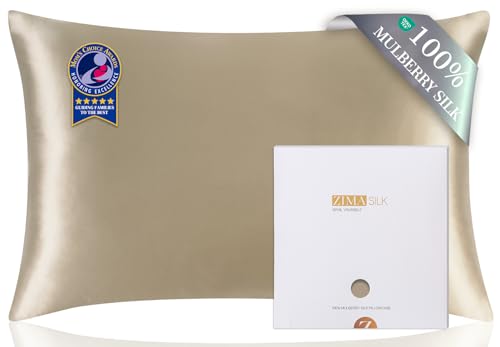
| ZIMASILK Mulberry Silk | 19 momme, grade 6A, both sides silk, hidden zipper, 180-day support | Mid-range | |
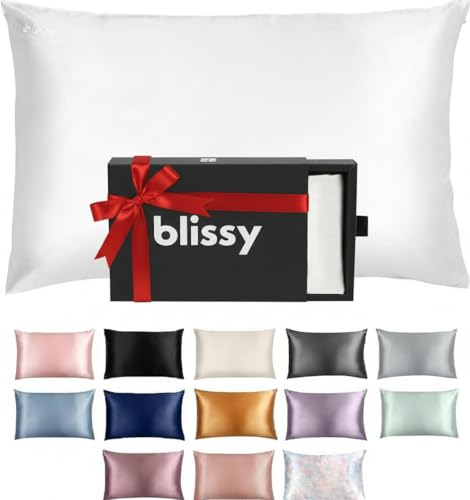
| Blissy Silk Pillowcase Best Premium |
22 momme, grade 6A, handmade, temperature regulating | Premium | |
How to choose a silk or satin pillowcase
Satin is a weave, silk is a fiber
This is the single thing worth knowing before you spend anything. Satin describes how threads are woven, floating over several others to make one face glossy and slick. Silk describes what the thread is made of. You can weave silk into satin, and the best pillowcases are exactly that. But a pillowcase sold as “satin” with no fiber named is almost always polyester, and the listings say so if you scroll to the material line. Neither is a swindle. Polyester satin is slick, cheap, and machine washable. It simply is not silk, it will not breathe like silk, and no amount of “silky” in the title changes the fiber.
Momme is the number that separates silk from silk
Momme is the traditional unit for silk weight, and it works like thread count does for cotton, only more plainly. It measures how much a fixed bolt of the fabric weighs, so a higher momme means more silk per square inch: thicker, more opaque, more durable. For pillowcases the useful range runs from about 19 to 25. Nineteen momme is the accepted floor for a case that will last; 22 is noticeably more substantial and survives washing better; above 25 you are paying for weight you will not feel through your cheek. The telling detail across these listings is how many “silk” pillowcases never mention momme at all. Two here state it. If a seller does not, assume it is at the light end.
Grade 6A, and what a grade is worth
Mulberry silk is graded from A up to 6A, based on the length and uniformity of the filaments reeled from the cocoon. Longer, more even fibers make smoother, stronger thread, so 6A sits at the top. Two things to keep in mind: it is a supplier grading convention rather than an independent certification, and almost every listing that mentions a grade claims 6A. Take it as a signal that the seller knows the vocabulary, not as proof. Momme is the harder number.
Zipper or envelope
An envelope closure folds the fabric back on itself, costs nothing, and cannot fail. A hidden zipper holds the pillow more firmly, so the case does not creep off in the night, and it looks tidier on a made bed. The trade is that zippers are the first thing to break on a cheap case, and a metal zip against a cheek at 3am is its own small tragedy. Look for a zipper described as hidden and color-matched, and for a long opening, which makes stuffing a pillow in far less of a fight.
Washing, and the part people get wrong
Silk is a protein fiber, which means it behaves more like hair than like cotton. Hot water, bleach, and standard detergents with enzymes attack it directly, because enzymes are there to digest protein. Cold water, a pH neutral liquid detergent, a mesh bag, a gentle cycle, and drying in the shade will keep a good case going for years. High heat in a dryer is what kills them. Polyester satin has no such rules, which is a real advantage in a busy house, and one reason the cheapest option here is also the most bought.
Bedsure Satin Pillowcases
This is not silk, and Bedsure does not pretend otherwise: the listing says 100% polyester and points out that no silkworms were involved, which is the real pitch to anyone avoiding animal fibers. What it is, is the most-bought pillowcase in this entire category by a wide margin, and the appeal is not hard to work out. You get two queen cases for less than the price of a coffee each, in dozens of colors, with an envelope closure that will never break, and you can wash them like anything else in the house. The slick surface does the actual job, cutting the friction that frays hair and presses creases into a cheek.
- Pros: The best seller here by a distance; a pair of queen cases at the lowest price on this list; dozens of colors; envelope closure with nothing to break; machine washable with no special routine; vegan-friendly.
- Cons: Polyester, not silk, so no momme and no grade; synthetic fiber does not breathe or regulate temperature the way silk does, which hot sleepers will notice; envelope closure holds a pillow less firmly than a zipper.
Best for: a first try at the idea without committing, guest rooms, households where bedding gets washed hot and often, and anyone who wants the benefit without an animal fiber.
Mulberry Silk Pillowcase, Ash Blue
The interesting thing about this one is the price: it is real mulberry silk, on both sides, for less than the polyester above. It is the second best seller in the category, which suggests plenty of people have noticed. The construction details are better than the price implies, with a hidden zipper, an opening long enough to get a pillow through without wrestling, and stitching at four stitches per centimeter, which is a tighter seam than budget cases usually run. Silk’s real advantages come as standard: it moves heat away in summer, holds it in winter, and does not drink your night cream the way cotton does.
- Pros: Genuine mulberry silk on both sides at a budget price; the second best seller here; hidden zipper with a long, easy opening; fine four-stitch-per-centimeter seams; natural temperature regulation; arrives gift-boxed.
- Cons: No momme weight stated anywhere, which usually points to the lighter end; no silk grade given either; a single case rather than a pair; the listing’s claims about amino acids and a precise friction reduction figure are the seller’s, not established fact.
Best for: anyone who wants actual silk rather than a silk substitute and would rather find out cheaply whether the difference matters to them.
Kitsch Satin Pillowcase
Kitsch sells satin and says so plainly, describing it as an alternative to silk rather than a version of it, and the company claims north of 3.6 million cases sold. What you are paying the extra for over a basic satin case is finish and consistency: a zipper rather than an envelope, a tailored 19 by 26 cut that does not bag, a fabric that resists wrinkling in the wash, and the low absorbency that keeps skincare on your face instead of in the pillow. It is gentle on lashes and brows, which anyone who has woken with a bent eyelash will appreciate.
- Pros: Zipper closure keeps the case put; tailored fit that stays smooth; wrinkle resistant and machine washable with no rules to remember; absorbs less product than cotton; a widely sold, established name; cool against the skin.
- Cons: Satin, so polyester rather than silk, at a price above the real silk options here; the 19 by 26 cut runs small against fuller standard pillows; the comparison to a 600 thread-count silk case is marketing, since thread count is not how silk is measured.
Best for: people who want a satin case that fits and closes properly and are buying a brand they recognize, rather than the cheapest fabric that does the job.
ZIMASILK Pure Mulberry Silk Pillowcase
ZIMASILK is where the guesswork stops. The listing states 19 momme and grade 6A, both sides silk, and those numbers are the difference between buying a fabric and buying a word. Nineteen momme is the sensible entry point for a case meant to last: substantial enough to hold its shape and survive careful washing, without the price of the heavyweights. It is naturally hypoallergenic, which matters if your skin objects to things, and the color-lock dyeing is aimed at the usual failure of cheap silk, where a deep shade goes chalky after a few washes. Thirty-five shades and a 180-day support window round it out.
- Pros: States 19 momme and grade 6A, so you know what you are buying; pure silk on both sides rather than a silk face and a cotton back; hidden zipper; hypoallergenic; color-lock dyeing resists fading; 35-plus shades; 180-day support.
- Cons: 19 momme is the floor of the quality range, not the top; a single queen case, so a matched pair doubles the cost; the “clinically recognized” phrasing in the listing is vague and worth ignoring.
Best for: the first serious silk purchase, where you want a stated momme and grade and a case that will outlive the year, without paying premium money.
Blissy Silk Pillowcase
Blissy is the heavyweight, at 22 momme of grade 6A mulberry silk, handmade, and priced accordingly. Those extra three momme over the ZIMASILK are not a rounding error: more silk per square inch means a case that drapes rather than clings, holds its finish through more washes, and feels denser under a cheek. The non-absorbent surface is the point for hair, since it leaves your own oils where they belong instead of wicking them into the pillow overnight, and silk’s temperature regulation is at its best in a heavier weave. It costs several times what anything else here does, and it is the only case on this list that will still look right after a lot of laundry days.
- Pros: 22 momme, the heaviest here, for real durability and drape; grade 6A mulberry silk; handmade construction; genuine temperature regulation; non-absorbent surface preserves hair’s natural oils; the benchmark most silk cases are compared against.
- Cons: By a wide margin the most expensive option, and it is one case, not a pair; the listing does not say how it closes; silk at this price still demands cold water, a mesh bag, and no dryer.
Best for: anyone who has already decided silk is worth it and wants the weight, longevity, and finish rather than the cheapest way into the material.
The verdict
Best Overall: the Bedsure Satin Pillowcases. It outsells every silk case here combined, and for defensible reasons: two queen cases for very little, dozens of colors, a closure that cannot break, and no washing ritual. It is polyester and it will not breathe like silk. For most people wanting less friction tonight, that is an acceptable trade.
Best Value: the Mulberry Silk Pillowcase in Ash Blue. Real silk, both sides, a hidden zipper, and tight stitching, for less than the polyester. The missing momme figure is the catch, so take it as a cheap way to learn whether silk earns a permanent place on your bed.
Best Premium: the Blissy Silk Pillowcase. At 22 momme and grade 6A it is the most substantial silk on this list, and the one built to last. If that is more than you want to spend, the ZIMASILK at 19 momme gives you a stated weight and grade for a fraction of it, which is the sweet spot for most silk buyers.
FAQ
Do silk pillowcases actually help hair and skin?
Partly, and it is worth separating the two claims. The friction argument is sound and uncontroversial: silk and satin are slicker than cotton, hair slides instead of catching, and skin is pressed rather than dragged. The absorbency argument is also real, since silk takes up far less moisture than cotton, so your night cream stays on your face. The claims about amino acids setting acne and erasing wrinkles are marketing, and the evidence behind them is thin. Buy one for less bedhead and fewer morning creases, not as skincare.
Is satin just a cheap silk?
No, they are answers to different questions. Satin is a weave and silk is a fiber, so silk satin exists and is the best of both. A pillowcase advertised as satin without naming a fiber is polyester. It is slick, cheap, durable, vegan, and washes without ceremony. Silk is breathable, temperature regulating, and a protein fiber that needs care. The friction benefit is largely shared; everything else is not.
What momme should I buy?
Nineteen momme is the floor for a pillowcase worth keeping, and 22 is the comfortable answer if you will spend it. Below 19 the fabric is thin enough that seams strain and washing shortens its life quickly. Above 25 you are paying for weight you cannot feel. The more useful rule is that a seller who does not state momme at all is telling you something.
How do I wash silk without wrecking it?
Cold water, gentle cycle, mesh laundry bag, and a pH neutral liquid detergent. Avoid anything labeled biological or enzyme-based, since those enzymes break down protein and silk is protein. Skip bleach entirely, dry in the shade rather than in a dryer, and iron on low only if you must. Done that way, a good case lasts for years; one hot dryer cycle can end it.
Standard or queen, and does the size matter much?
Measure the pillow rather than trusting the label, because cuts vary. Standard cases here run 19 by 26 and 20 by 26 inches, and the queens run 20 by 30. A case that is slightly generous drapes and slides, which is exactly what you want; one that is tight stretches the weave over the pillow and puts the seams under load every night.
This article may contain affiliate links; see our Affiliate Disclosure.