The drone of a jet engine at cruising altitude sits right where it wears you down, and the ache in your ears on descent can ruin the last hour of a flight. The right pair of earplugs, tucked in a pocket and weighing almost nothing, quietly fixes both problems for a fraction of the price of headphones.




Travel earplugs split into two jobs: dulling noise so you can sleep or focus, and easing the ear pressure that builds on takeoff and landing. The best pick depends on which matters more to you and how your ears are shaped. Below we compare reusable silicone, disposable foam, and specialist flight-pressure plugs, so a nervous flyer, a light-sleeping commuter and a frequent traveler each find their match.
At a glance
| Earplugs | Standout feature | Price tier | Link |
|---|---|---|---|
| Loop Quiet 2 | Comfortable reusable silicone, four tip sizes | Mid-range | |
| Flents Protechs Foam | High noise reduction, cheap and disposable | Budget | |
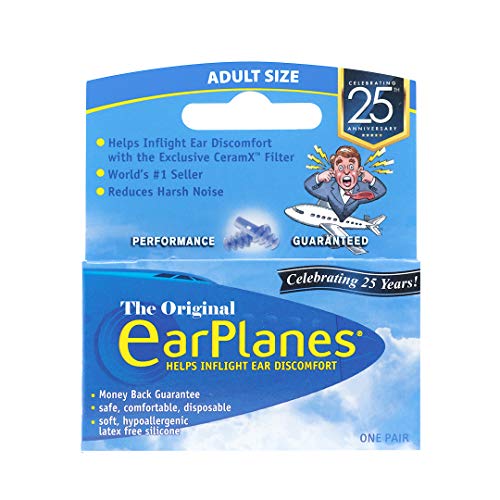
| EarPlanes | Pressure relief for takeoff and landing | Budget | |
| Vosaf Silicone | Reusable, eight tips, aluminum case | Mid-range | |
| Alpine FlyFit | Reusable flight filter, hypoallergenic | Mid-range | |
How to choose travel earplugs
Start by naming your main problem. If it is noise for sleep and focus, you want a good seal and comfort. If it is ear pain when the cabin pressure changes, you want a pressure-regulating filter, which is a different product entirely. Several travelers carry both, because they solve different things.
Noise reduction, and reading the ratings
Foam plugs usually carry the highest lab ratings, often in the low thirties on the Noise Reduction Rating scale, because they expand to fill the canal completely. Reusable silicone plugs like Loop and Vosaf reduce noise a little less on paper but win on comfort and reuse. Remember that quoted numbers are laboratory figures; real-world reduction depends heavily on getting a proper seal, and no earplug takes a loud cabin to silence.
Foam, silicone or a pressure filter
Foam is cheap, effective and disposable, ideal to stash a few pairs in every bag. Reusable silicone is more comfortable for long wear and side-sleeping, washable, and better for the planet over time. Pressure-relief plugs such as EarPlanes and Alpine FlyFit use a small filter that slows how fast air pressure reaches your eardrum, which is what softens that painful pop on descent. They reduce noise modestly as a bonus.
Comfort and fit for long wear
An earplug you resent by hour two is useless on a long-haul flight. Multiple tip sizes matter, because ear canals vary a lot, and a plug that sits flush rather than sticking out is far kinder if you lean your head against a seat or pillow. Softer materials and a low profile make the difference between wearing them the whole flight and pulling them out.
Reusability, hygiene and the case
Reusable plugs need cleaning, so a wipe-down or wash between uses keeps them hygienic. A hard carry case, especially the metal ones several of these include, stops the plugs collecting lint at the bottom of a bag and makes them easy to find. Foam is single-use by nature, so buy a multipack and count each pair as a few wears at most.
Earplugs against noise-canceling headphones
They solve overlapping problems in different ways, and it is worth knowing which you need. Active headphones excel at the low, steady engine drone and let you listen to something, but they are bulky, need charging, press against your head for hours, and struggle with sudden higher-pitched sounds like a child crying or a conversation two rows back. Earplugs are passive, weigh nothing, never run out of battery, and block a broader slice of the spectrum, including the voices headphones leave through. They also work at the moment you most want quiet, when you are trying to sleep sideways against a window. Plenty of frequent flyers carry both and wear plugs for sleeping and headphones for waking hours.
When one plug will not do
Ears are not identical, and this is the single most common reason people conclude earplugs do not work for them. Canal size differs between individuals and often between your own two ears, which is why the reusable picks here ship with four sizes and why nothing stops you from wearing different sizes left and right. Foam sidesteps sizing by expanding to fill whatever shape it finds, and slim-fit versions exist for smaller or more sensitive canals. If a plug hurts, sits proud of your ear, or lets noise in despite a careful insertion, the answer is almost always a different tip size rather than a different brand.
A note on hearing safety
Earplugs protect your hearing in genuinely loud places, but sleeping through every alarm is a real risk to weigh if you travel alone or need to wake for a connection. Insert them correctly, replace foam when it stops springing back, and follow each maker’s fit guidance to get the protection you are paying for.
Loop Quiet 2 Reusable Earplugs
The best-selling pick here is a reusable silicone plug that has become a travel staple for good reason. It packs up to 24 decibels of noise reduction into a soft, flexible body that stays comfortable for hours, even for side-sleepers, and comes with four tip sizes so smaller and larger canals both get a proper seal. It sits flush rather than protruding, cleans easily and lasts, and the little carry case clips onto a bag. For sleeping on a red-eye or tuning out cabin drone, it is the comfortable, do-it-all choice. Sitting flush is the specification that matters most and gets the least attention. A plug that protrudes turns into a pressure point the moment your head meets a window or a neck pillow, and that is what wakes people at hour three. These are designed not to stick out when inserted correctly, which is why side-sleepers get along with them. They qualify as certified hearing protection too, so they are equally at home at a concert or on a train platform. The twist-to-secure insertion takes one attempt to learn and then becomes automatic.
- Pros: Very comfortable for long wear; four tip sizes for a good seal; reusable and washable; sits flush for side-sleeping.
- Cons: Lower rated reduction than foam; no pressure-relief filter for ear pain.
Best for: Sleeping and focus on flights and commutes, where comfort and reuse matter most.
Flents Protechs Foam Earplugs
When you simply want the most noise blocked for the least money, foam wins, and the Flents Protechs deliver a high tested Noise Reduction Rating of 33 decibels in a ten-pair pack with a case. The slow-recovery foam rolls down thin, then expands to fill the canal and form a seal that dulls engine drone and snoring alike. They are disposable, so you keep a few pairs in every bag and never worry about losing them. The catch is that foam suits back-sleepers better than restless side-sleepers, and each pair lasts only a handful of wears. The maker is unusually real about the caveats, noting that real-world reduction depends on insertion, ear anatomy and activity, and that foam is not ideal for active or frequent side-sleepers. Take the insertion advice seriously, because it is the whole game with foam: roll the plug tightly thin, push it well into the canal, and hold it for up to thirty seconds while it expands. Done properly the seal is excellent; done carelessly you get a fraction of the rated protection and conclude the plugs are faulty. They are latex-free, which matters for sensitive ears.
- Pros: Highest noise reduction here; very cheap in a multipack; latex-free soft foam; case included.
- Cons: Disposable and short-lived; can protrude and press when side-sleeping; needs correct rolling and insertion.
Best for: Maximum noise blocking on a budget, and stashing spare pairs everywhere.
EarPlanes Pressure Relief Earplugs
These are the specialists for anyone who dreads takeoff and landing. Rather than just muffling sound, EarPlanes use a ceramic pressure-regulating filter that slows how quickly cabin pressure reaches the eardrum, which is what eases the pressure, popping and blocked feeling many people notice on descent. Made from soft, latex-free silicone, they also trim harsh cabin noise by around twenty decibels. A companion app can alert you when to put them in. They are best kept as a flight-day item rather than an all-purpose sleep plug, and each pair covers a limited number of flights. Timing is the trick with these, and it is where people go wrong: they work by slowing the rate of pressure change, so they need to be in before the aircraft starts descending, not after your ears have already begun to hurt. The companion app exists precisely to nudge you at the right moment with cabin pressure alerts. The design has a long pedigree, tested by Navy pilots and recommended by doctors, and if you have ever spent a landing in genuine pain or arrived with a blocked ear that lasted days, that specialization is worth far more than a few extra decibels of noise reduction.
- Pros: Genuinely eases ear pain on takeoff and landing; soft hypoallergenic silicone; modest noise reduction too.
- Cons: Not a strong general noise blocker; limited number of uses per pair.
Best for: Travelers who suffer ear pain or popping when the plane climbs and descends.
Vosaf Reusable Silicone Earplugs
The Vosaf is a well-equipped reusable silicone plug that comes ready for a range of ears, with eight ear tips across four sizes so almost everyone finds a snug fit. Its frequency-filtering design aims to cut low-end noise such as engine rumble while keeping speech and announcements audible enough to follow, and the soft hypoallergenic silicone is comfortable for long stretches. A compact aluminum case keeps the pair clean and easy to find in a bag. As a washable, long-lasting all-rounder for flights, trains and busy hotels, it is a strong value pick. One caution on the marketing: the listing quotes several different noise figures alongside percentage claims, and those numbers are best taken as optimistic rather than as a like-for-like comparison with a lab-tested rating. Judge it on what it demonstrably is, a comfortable, well-sized reusable silicone plug with a good case. The frequency-filtering approach is genuinely useful for travel, since taking the edge off engine rumble while leaving announcements intelligible is exactly what you want in a cabin. Eight tips across four sizes is the most generous fit kit here.
- Pros: Eight tips for a personalized fit; reusable and washable; sturdy aluminum case; comfortable soft silicone.
- Cons: Advertised noise figures are optimistic; no dedicated pressure filter.
Best for: Travelers who want a reusable, well-fitting silicone plug with a durable case.
Alpine FlyFit Flight Earplugs
The Alpine FlyFit bridges the two jobs, a reusable pressure-relief plug rather than a disposable one. Its filter regulates the pressure changes that cause pain during climb and descent, while the soft, hypoallergenic material adapts to the ear canal and stays comfortable for a full flight, even with a neck pillow. Rated to reduce noise by around seventeen decibels, it also takes the edge off cabin drone. Because it is built to be used many times, a single pair lasting up to around a hundred uses, it works out as good long-term value for anyone who flies often and wants one plug that handles both pressure and noise. Alpine’s material is the point of difference: a thermo-shaping compound rather than silicone, which softens with body heat to take the shape of your canal and is hypoallergenic for anyone who reacts to silicone. It is certified to its stated reduction under US and EU regulations, which is a more meaningful claim than an unqualified percentage. If you fly regularly and dislike the idea of buying disposable pressure plugs trip after trip, this is the reusable answer.
- Pros: Reusable pressure relief; comfortable hypoallergenic material; trims cabin noise; well-regarded flight brand.
- Cons: Less noise reduction than foam or dedicated sleep plugs; a single pair to keep track of.
Best for: Frequent flyers who want reusable pressure relief plus some noise control in one plug.
The verdict
Best overall: the Loop Quiet 2. As the runaway best-seller it earns the top spot for travel, combining real comfort over long flights, multiple tip sizes for a proper seal, and reusable convenience that suits sleep, focus and commuting alike.
Best value: the Flents Protechs foam. A big multipack with the highest noise reduction here costs very little, so you can block engine drone and snoring and keep spare pairs in every bag.
Best for flights and ear pressure: the EarPlanes. If takeoff and landing hurt your ears, their pressure-regulating filter targets exactly that problem, which ordinary noise plugs cannot.
Frequently asked questions
Do earplugs stop ear pain on a plane? Ordinary noise plugs do not; you need a pressure-relief plug like EarPlanes or Alpine FlyFit, which slows how fast cabin pressure reaches your eardrum during climb and descent.
Foam or silicone for sleeping on flights? Foam blocks slightly more noise but can press when you lean your head, while soft reusable silicone tends to be more comfortable for side-sleeping and long wear. Many travelers prefer silicone for sleep.
Are reusable earplugs hygienic? Yes, as long as you clean them between uses and store them in their case. Wash silicone tips with mild soap and let them dry fully before putting them away.
Will earplugs block out a crying baby or announcements? They reduce noise rather than erase it. You will still hear loud sounds and most cabin announcements, which is actually safer than total silence when you need to respond.
How do I get the best seal? Choose the tip size that fits snugly without forcing, insert according to the instructions, and for foam, roll it thin first and hold it in place while it expands. A good seal is what turns the rated numbers into real quiet.
This article may contain affiliate links; see our Affiliate Disclosure.