You go to flush the black tank, hear a sharp hiss behind the wet bay wall, and find a puddle creeping across the RV floor. Nine times out of ten the culprit is a tiny, ten-dollar part quietly failing: the vacuum breaker check valve on your black tank flush line.

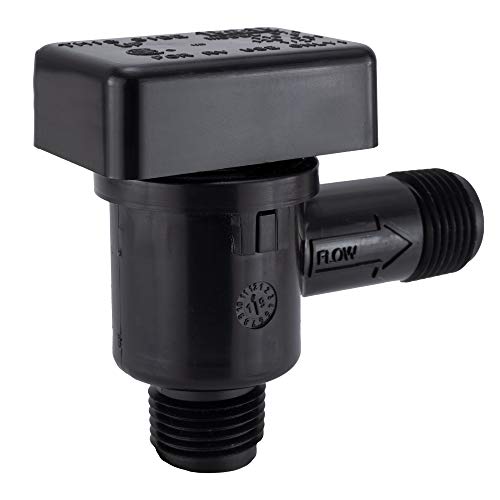

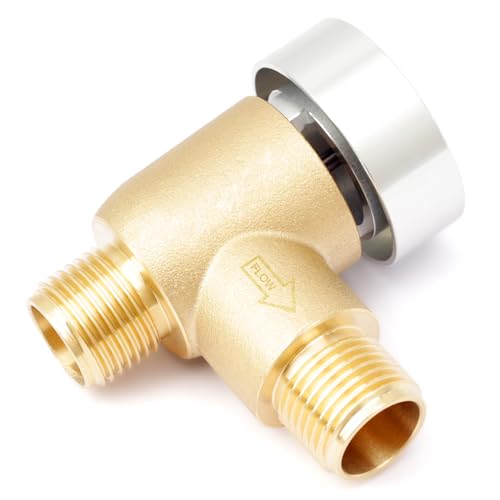
This little valve sits between your fresh water inlet and the black tank flusher, and its whole job is to stop dirty tank water from ever siphoning back toward your drinking supply. When it cracks or the internal check sticks, you get leaks, backflow worries, and that unmistakable wet-floor mess. The good news: the standard replacement, the 571-VAC-CHK-A pattern, is cheap, widely made, and swappable in minutes. Below we compare four popular options so you can match the right one to your rig, whether you flush weekly at a full-hookup site or only dump on the way home.
At a glance
| Product | Standout feature | Price tier | Link |
|---|---|---|---|
| NOVINO Vacuum Breaker Check Valve | Best-selling exact 571-VAC-CHK-A replacement, wide-pressure rated | Mid-range | |
| RecPro Vacuum Breaker Check Valve | Made in America, high-hazard rated backflow protection | Mid-range | |
| Yunziling Brass Vacuum Breaker Valve | All-brass body, better freeze and crack resistance | Budget | |
| Dusledel Upgraded Brass Valve | Upgraded brass build, broad RV and motorhome compatibility | Premium | |
How to choose an RV vacuum breaker check valve
What this valve actually does
The vacuum breaker check valve is a small anti-siphon device threaded into the black tank flush system. On most rigs the tank flusher connects to a garden-hose inlet on the side of the coach. When you run city water or a hose through that inlet to rinse the tank, this valve keeps the flow moving one direction only. If a pressure drop ever pulls the other way, the check closes and the vacuum breaker opens to atmosphere, so nothing from the black tank can be drawn back toward your fresh water. It is a health part first and a convenience part second. A failed one is why owners smell odors near the fill bay or find water weeping onto the floor during a flush.
Worth knowing: this part is unrelated to a vacuum cleaner, despite the name. The “vacuum” it breaks is negative pressure in the plumbing, the suction that would otherwise pull tank water backward. Plenty of owners searching for an RV vacuum land here by accident, so if you came looking for something to clean your floors, this is not that part. What it protects is your drinking water, which is why codes handle backflow protection seriously in any plumbing system, rolling or not.
Brass versus plastic bodies
Two of these valves use a brass body and two use a reinforced polymer housing. Brass generally shrugs off temperature swings better, resists cracking when a line freezes, and tends to last longer under repeated pressure cycles. That matters if you camp in shoulder seasons, store the rig somewhere cold, or forget to blow out the lines before a frost. Polymer versions are lighter and perfectly serviceable for warm-weather use and for owners who winterize religiously. If your last valve split during a cold snap, stepping up to brass is a sensible upgrade rather than replacing like for like.
Thread size and pressure rating
The 571-VAC-CHK-A pattern uses half-inch NPT male threads on both the inlet and outlet, which is why it drops straight into so many coaches without adapters. Check the working pressure range too. The units here are rated for roughly eight to one hundred twenty-five PSI, which comfortably covers typical campground city-water pressure. If your park runs high pressure, a good inline regulator on your fresh hose protects this valve and everything downstream of it. Confirm your existing fitting is the same half-inch NPT before ordering, since a few older or imported rigs use a different thread.
Sealing the threads and fitting it properly
A surprising share of “faulty valve” complaints are really installation problems. NPT threads seal on the taper, not on a gasket, so they need thread sealant or PTFE tape wrapped in the same direction the fitting turns, usually two or three wraps, leaving the first thread bare so nothing sheds into the line. Snug it by hand, then bring it home with a wrench a couple of turns further, and stop there. Overtightening is the classic mistake, especially with a polymer body that will crack under a long wrench, and brass will gall if you force it. Support the existing fitting with a second wrench so you are not twisting the flush line while you turn the valve. Then pressurize slowly and watch the joint for weeping before you close up the bay.
Winterizing and off-season care
Water left sitting inside this valve is what kills it over winter. When you blow out or antifreeze your lines, make sure the black tank flush line is included, because it is easy to forget a circuit you only use at the dump station. Leave the valve depressurized rather than holding city water against it in storage, since a check held closed under constant pressure for months is more likely to stick. Brass handles a surprise frost far better than plastic, but no valve enjoys trapped water expanding inside it. At the first flush of the season, run it briefly and check the joint before you rely on it. Ten seconds of looking beats mopping the bay later.
Installation height and orientation
These valves rely on gravity and a specific mounting position to work. The common guidance is to install the breaker at least six inches above the highest point of anything connected to the waste tank where the flusher lives, and to keep it upright. Mount it sideways or upside down and the internal check may not fully open or seat, which defeats the whole purpose. It also should not sit under continuous water pressure for long stretches, so shut the flush supply off when you are done rather than leaving it charged. Getting the height and orientation right is the difference between a valve that lasts years and one that nuisance-leaks from day one.
Signs yours has failed
Watch for three tells. Water on the floor near the wet bay during or after a tank flush usually means the check has cracked or is stuck open. A loud gurgle or hiss from the flush line points to the vacuum breaker cycling when it should be sealed. And any hint of tank odor migrating toward the fresh side is a reason to replace immediately, not later. Because the part is inexpensive and simple, most owners just swap it at the first symptom rather than trying to diagnose a partial failure.
NOVINO RV Vacuum Breaker Check Valve
The NOVINO is the volume seller in this group, and it earns that spot by being a straightforward, exact replacement for the 571-VAC-CHK-A valve. It targets the classic failure case directly: a leaky breaker on the black tank flush line that has left the trailer floor wet. It installs between the fresh water inlet connection and the tank flusher, carries the standard half-inch NPT male threads on both ends, and handles the same wide eight to one hundred twenty-five PSI range as the pricier options. For most owners replacing a cracked factory valve, this is the low-drama choice that simply drops in and gets the flush system sealed again.
Pros
- Best-selling exact fit for the common 571-VAC-CHK-A pattern
- Standard half-inch NPT threads on inlet and outlet for adapter-free swaps
- Wide working pressure range suits typical city-water hookups
- Keeps black tank contents from siphoning back toward fresh water
Cons
- Polymer body is less freeze-tolerant than the brass options
- Still needs correct upright, six-inch-above mounting to seal properly
Best for: owners who want a proven, no-fuss direct replacement for a failed flush-line valve.
RecPro RV Vacuum Breaker Check Valve
RecPro is a familiar name in the RV parts world, and this valve leans on that with a Made in America build and clear installation guidance. It is rated as a high-hazard protectant, which means it can safely cover lower-hazard jobs too, so you are not under-specifying anything by fitting it. RecPro is candid about the details that actually matter: use it on one fixture at a time to keep line pressure predictable, mount it at least six inches above the highest connected point, keep it upright so gravity lets the valve open, and avoid leaving it under more than twelve hours of continuous pressure so the check does not stick. Follow those notes and it is a dependable, well-documented pick.
Pros
- Made in America with clear, specific installation instructions
- High-hazard rating also covers low-hazard applications
- Designed around correct upright, elevated mounting for reliable sealing
Cons
- Meant for one fixture at a time, not shared across outlets
- Should not be left under continuous pressure for long periods
Best for: owners who value a domestically made part with thorough setup guidance.
Yunziling Brass RV Vacuum Breaker Check Valve
If cold weather has already cost you one valve, the Yunziling makes a strong case. It uses a brass body that is less prone to freezing and cracking than plastic, which translates to better longevity for anyone who camps in cooler months or stores the rig outdoors. It fits the same B and B 571 check-valve system, seats between the fresh water inlet and the tank flusher, and handles the standard eight to one hundred twenty-five PSI window. Yunziling still calls out the important install rule, mounting six inches above the highest connected point, and reasonably suggests asking a plumber if you are unsure. As the budget-tier brass option here, it is an easy upgrade over a like-for-like plastic swap.
Pros
- All-brass construction resists freezing, cracking, and corrosion
- Longer expected service life than plastic-bodied valves
- Fits the standard 571 flush system with the usual pressure rating
- Budget-friendly way to step up material quality
Cons
- Brass adds a little weight over polymer versions
- Same strict height and orientation requirements apply
Best for: cold-climate campers who want durable brass without paying premium prices.
Dusledel Upgraded Brass RV Vacuum Breaker Check Valve
The Dusledel sits at the top of the range and pitches itself as the upgraded, do-it-once option. It pairs a stable brass body with the half-inch NPT threads on both ports, so installation stays simple even as the material steps up. Dusledel highlights broad compatibility across RVs, campers, travel trailers, and motorhomes, which is reassuring if you are not certain of your exact flush-system brand. The emphasis throughout is on withstanding higher water pressure for long-lasting, worry-free travel, along with the same six-inch-above mounting advice the others share. If you would rather over-build this repair and forget about it, the premium brass Dusledel is the natural choice.
Pros
- Upgraded brass body aimed at long-term, high-pressure durability
- Half-inch NPT threads for easy, adapter-free installation
- Broad compatibility across trailers, campers, and motorhomes
- Positioned as a replace-once solution
Cons
- Highest price tier in this comparison
- Ranks a bit lower in popularity than the top sellers
Best for: owners who want the most robust build and plan to fit it and forget it.
The verdict
Best overall: the NOVINO RV Vacuum Breaker Check Valve. As the best-seller and an exact 571-VAC-CHK-A replacement with standard threads and a wide pressure rating, it fixes the common wet-floor failure with the least hassle for the most rigs.
Best value: the Yunziling Brass valve. It brings brass durability and better freeze resistance at the budget tier, making it the smart pick if your last plastic valve cracked in the cold.
Best premium: the Dusledel Upgraded Brass valve. Choose it when you want the most over-built body and broad compatibility for a genuine replace-once repair. The RecPro sits comfortably between them for anyone who prioritizes a Made-in-America part with detailed guidance.
Frequently asked questions
Is a vacuum breaker check valve the same as an RV vacuum cleaner? No. Despite the name, this is a plumbing anti-siphon valve on the black tank flush line, not a vacuum for cleaning floors. It stops dirty tank water from siphoning back toward your fresh water supply.
Will one of these fit my rig? Most coaches use the 571-VAC-CHK-A pattern with half-inch NPT male threads, which all four valves here match. Confirm your current fitting is half-inch NPT before ordering, since a few rigs differ.
Why does mine keep leaking after replacement? Usually mounting. The valve must sit upright and at least six inches above the highest connected point, and it should not be left under continuous water pressure. Correct the position and shut the flush supply off between uses.
Should I choose brass or plastic? Brass resists freezing and cracking and tends to last longer, which suits cold-weather and outdoor-stored rigs. Reinforced plastic is lighter and fine for warm-weather use and owners who winterize carefully.
Can I install it myself? Many owners do, since it threads in with basic tools. If you are unsure about your flush system or thread size, a quick check with an RV service tech or plumber avoids a repeat leak.
Do I need thread sealant or tape? Yes. NPT threads seal on the taper, so wrap two or three turns of PTFE tape in the direction the fitting screws in, or use a suitable pipe sealant. Skipping it is a common cause of a slow weep at the joint.
Can I leave the flush line pressurized? Better not to. Several makers advise against more than about twelve hours of continuous pressure, since a check valve held shut that long can stick. Shut the supply off between uses and over winter storage.
This article may contain affiliate links; see our Affiliate Disclosure.