Every hammock camper learns the hard way that the cold comes from below. A sleeping bag crushed flat beneath you does nothing, so the night air strips heat straight through the fabric, and you wake at 3am with a frozen back. An underquilt hangs outside the hammock, uncompressed, and finally solves the problem sleeping bags cannot.

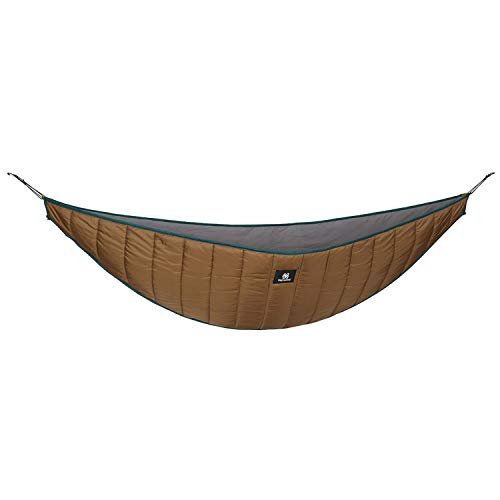


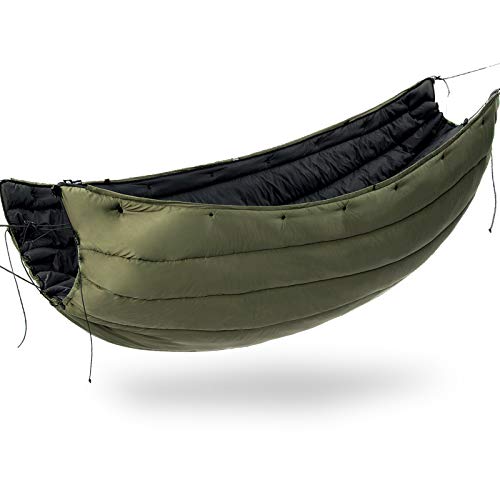
A good underquilt hugs the outside of your hammock with no gaps, carries enough insulation for the temperatures you actually camp in, and packs down small enough to carry. These picks suit a first-time hammock camper extending into autumn, a backpacker counting every ounce, and a cold-sleeper chasing the warmest option. Note the temperature ratings plainly: most here are built for cool shoulder-season nights rather than deep winter.
At a glance
| Underquilt | Standout feature | Price tier | Link |
|---|---|---|---|
| CROSSHIP Full Length | Ripstop shell, split-end fit, high value | Budget | |
| OneTigris Hideout | Light at 1.7 lbs, compact pack | Mid-range | |
| AYAMAYA Full Length | Widest coverage, lower temperature claim | Mid-range | |
| Wise Owl Outfitters | Reinforced stitching, packs to 1.77 lbs | Mid-range | |
| Onewind Sorona | Bio-based insulation, winter-focused | Premium | |
How to choose a hammock underquilt
An underquilt is the single biggest upgrade to hammock comfort in the cold, but the specs are easy to misread. Here is what actually determines whether you sleep warm.
Temperature ratings, read skeptically
Most quilts here are rated for a comfortable range around 41 to 68°F, which makes them three-to-four-season quilts for cool nights rather than true winter gear. The AYAMAYA claims down to around 20°F and the Onewind is pitched for winter, but take all ratings as optimistic and leave yourself a margin. If you routinely camp near or below freezing, size up on warmth or add a top quilt and a pad. Clarity here saves a miserable night.
Full length versus three-quarter
A full-length quilt insulates from your shoulders to your feet, closing the gaps where cold creeps in, which is what you want as temperatures drop. Shorter quilts save weight but leave your legs to a pad or spare clothing. Every pick here is full length, the right call for cold-weather comfort.
Fit and the dreaded gap
An underquilt only works if it sits flush against the hammock with no air pockets. Elastic shock cord at both ends and adjustable suspension let you cinch it snug so it moves with you and does not sag away when you shift. Split-end designs, like the CROSSHIP’s, help the quilt stay in position through the night. A gap anywhere is a cold spot, so fit tuning is not optional.
Weight and packed size
If you backpack in, ounces count. The OneTigris Hideout and Wise Owl both pack to under two pounds with a compression sack, which is manageable on a trail. Heavier, warmer quilts trade packability for insulation. Match the weight to whether you hike to your spot or car-camp beside it.
The rest of the sleep system
An underquilt is one half of the answer, not the whole one. It handles the compressed side beneath you; you still need insulation on top, which is where a top quilt or an unzipped sleeping bag comes in, since a bag’s underside is doing nothing anyway once you are lying on it. A tarp over the hammock keeps wind and rain off the quilt, and wind is the thief people underestimate, stripping heat from an exposed underquilt far faster than still air. Several makers here describe pairing the underquilt with a sleeping bag as a winter hammock sleeping system, and that is the plain framing: the quilt makes cold-weather hanging possible, working alongside your top insulation rather than replacing it.
Underquilt or a sleeping pad
A closed-cell foam or inflatable pad inside the hammock is the cheaper route to a warm back, and it works, but it comes with real annoyances. Pads slide out from under you as the hammock shifts, they squash the hammock’s natural curve so you sleep less comfortably, and they can feel clammy against your back. An underquilt sits outside, so it never moves and never interferes with how the hammock hangs. The trade is cost and pack space. Many campers start with a pad, get tired of chasing it around at 2am, and move to a quilt; if you already know you will hammock through the cold months, going straight to a quilt saves that detour.
Materials and weather resistance
A 20-denier ripstop nylon shell with a durable water-repellent coating sheds light moisture and dries fast, which matters in damp forest air. Synthetic fills, used across all these quilts, keep insulating even when they pick up moisture and cost far less than down, a real advantage for unpredictable weather. Bio-based fills like the Onewind’s Sorona add eco-friendliness and good loft recovery.
CROSSHIP Full Length Hammock Underquilt
The best-selling underquilt here is a well-built, sensibly priced full-length quilt that covers the essentials. A 20-denier ripstop nylon shell with a water-repellent coating wraps a soft polyester lining and a generous fill, rated for a comfortable 41 to 68°F across three to four seasons. At roughly 95 by 55 inches it fits most standard hammocks, and a split design at both ends plus elastic straps keep it snug and stop it sliding out of position on a cold night. It packs into an included stuff sack for the trail. For most shoulder-season campers, it is all the quilt they need. The split-end design is the detail that earns its price: the ends separate to sit either side of the hammock’s suspension, so the quilt stays where you put it instead of leaning or sliding out of position as you turn over. That is precisely the failure that gives people a cold back at 3am despite owning a quilt. At 95 by 55 inches it is on the wider side, wrapping up the sides of the hammock rather than just cupping the underside, and the elastic straps let you tune the tension until it sits flush.
- Pros: Ripstop shell with DWR coating; split ends for a stable fit; spacious coverage; strong value; stuff sack included.
- Cons: Comfort range tops out around 41°F, not true winter; heavier than the ultralight picks.
Best for: Most hammock campers wanting a dependable, affordable full-length quilt for cool nights.
OneTigris Hideout Hammock Underquilt
The OneTigris Hideout is the pick for campers who hike to their site. It weighs only about 1.7 pounds and comes with a compression sack that shrinks it down small, yet still covers a full standard hammock from head to foot for real heat retention. A soft shell and lining over a 700-gram polyester fill handle the same comfortable 41 to 68°F band, and elastic straps with bungee loops make setup quick. Muted colorways suit low-profile camping. It is the balance pick, light and packable without giving up full-length coverage. The weight saving is real rather than marginal: at 1.7 pounds it is roughly half what the heaviest quilt here carries, and on a multi-day walk in, that difference is felt in the shoulders long before it is felt in the sleeping bag. At 7.9 by 4 feet it is a little narrower than the widest options, which is where the ounces come from, so it cups the underside well but wraps the sides slightly less. Muted colorways and a compression sack round out a quilt built for people who actually carry their kit somewhere.
- Pros: Light at 1.7 lbs; compresses small; full-length coverage; fast, simple setup.
- Cons: Same cool-night rating rather than deep cold; fewer fit adjustments than some.
Best for: Backpackers who want a light, packable full-length quilt for three-to-four-season use.
AYAMAYA Full Length Hammock Underquilt
The AYAMAYA is the widest-coverage option and claims the lowest temperature reach of the group. Its big footprint, around 98 by 51 inches, wraps well around the sides and bottom of a standard hammock to shut out drafts, and the maker rates it for a broad 20 to 68°F comfort range, the coldest claim here, though as always leave a safety margin. A 20-denier ripstop shell with DWR coating and a soft lining round it out, and it includes both elastic straps and two larger carabiners for setup flexibility. It is heavier at around three pounds, the real cost of that extra coverage and warmth. Be careful with the temperature claim. AYAMAYA quotes a 20 to 68°F comfort range, yet its own listing also cautions that the quilt is not for cold winter, and those two statements sit awkwardly together. Read the lower figure as the outer edge of survivable rather than a night you will enjoy, and plan your top insulation accordingly. What is not in doubt is the coverage: nearly 98 inches long and wrapping well up the sides, it shuts down the drafts that sneak past narrower quilts, which is a large part of feeling warm in practice.
- Pros: Very wide coverage against drafts; lowest temperature claim here; ripstop DWR shell; carabiners included.
- Cons: Heaviest of the group; the cold rating is optimistic, so pack margin.
Best for: Cold-sleepers who prioritize maximum coverage and the widest temperature range.
Wise Owl Outfitters Hammock Underquilt
The Wise Owl is the durable, trail-ready pick from a well-known outdoor brand. It uses strong 20-denier ripstop nylon with signature reinforced stitching and a water-resistant coating, built to take repeated trips, and packs down to about 1.77 pounds in its stuff sack. Rated around 40°F, it is a solid all-seasons quilt for cool to cold nights, and it works as both a single and double underquilt with customisable tighteners for a snug fit. The reinforced construction is the draw for anyone who wants gear that lasts, at a mid-range price. Its single-and-double versatility is genuinely useful and rare here: the customisable tighteners let the same quilt serve a narrow solo hammock or a wider double, so it is the one to buy if you own more than one hammock or expect to upgrade. Wise Owl’s stitching is the part worth paying for, since an underquilt lives outdoors, gets stuffed into a sack wet, and is pulled tight against its attachment points every night, which is exactly how cheaply-sewn gear fails. The water-resistant coating handles dew and light rain rather than a downpour, so keep a tarp overhead.
- Pros: Reinforced stitching and durable shell; light and packable; single or double use; trusted brand.
- Cons: Around 40°F rating is cool-night, not deep winter; mid-range price.
Best for: Campers who want durable, packable construction from an established outdoor name.
Onewind Sorona Insulation Underquilt
The Onewind is the premium, winter-focused quilt of the group. It uses an ultralight recycled 20-denier nylon fabric that resists wind and light rain, filled with bio-based Sorona insulation that delivers strong warmth, good loft and quick recovery from compression, making it the eco-conscious performance choice for colder conditions. Adjustable cords at both ends let you cinch a tight, warm seal in the cold or open it up for airflow on milder nights, and tightening the center eliminates the cold spot under your legs and seat. Carabiners and a double-sided compression bag make setup and packing easy. It costs the most, and the materials show it. Loft recovery is the specification that separates it from the budget quilts and the one nobody thinks about until it matters: synthetic fill loses warmth as it packs down over repeated stuffing, and an insulation that springs back to full thickness after a week in a compression sack is still delivering its rated warmth on night five. The center tightening is the other well-judged touch, sealing the quilt against the specific cold spot under your legs and seat where hammock campers get caught out. The double-sided compression bag and pre-attached carabiners make pitching in the dark quick.
- Pros: Bio-based Sorona fill with good loft recovery; winter-oriented warmth; fully adjustable seal; quality packable shell.
- Cons: Highest price here; premium features are more than casual summer campers need.
Best for: Cold-weather campers wanting the warmest, most refined quilt with eco-friendly insulation.
The verdict
Best overall: the CROSSHIP. As the best-seller it hits the mark for most campers, a full-length ripstop quilt with a stable split-end fit and genuine cool-night warmth, at a price that leaves room in the budget for the rest of your kit.
Best value: the OneTigris Hideout. Light, packable and full-length for a mid-range price, it is the smart pick for backpackers who want warmth without the weight penalty.
Best premium: the Onewind Sorona. Its bio-based insulation, winter focus and fully adjustable seal make it the warmest, most refined option for the coldest nights on this list.
Frequently asked questions
Why not just use a sleeping bag underneath me? Your body weight crushes the insulation flat beneath you, so it loses almost all its warmth. An underquilt hangs outside the hammock, staying lofted and trapping heat where a compressed bag cannot.
Can I trust the temperature ratings? Take them as optimistic best-case figures. Most quilts here are genuinely comfortable for cool shoulder-season nights; leave a warmth margin, and add a top quilt or pad if you expect near-freezing temperatures.
How do I stop cold gaps? Cinch the shock cord at both ends so the quilt sits flush against the hammock with no air pockets, and adjust the suspension until it moves with you. A snug fit is what makes an underquilt work.
Will these fit my hammock? All are full-length and sized to fit standard single camping hammocks, wrapping the sides and bottom. Check your hammock’s length against the quilt’s dimensions if it is unusually large.
Down or synthetic fill? Every pick here is synthetic, which keeps insulating when damp, dries faster and costs much less than down. For unpredictable, humid forest conditions, that reliability is a real advantage.
This article may contain affiliate links; see our Affiliate Disclosure.